Our Village
Our Village
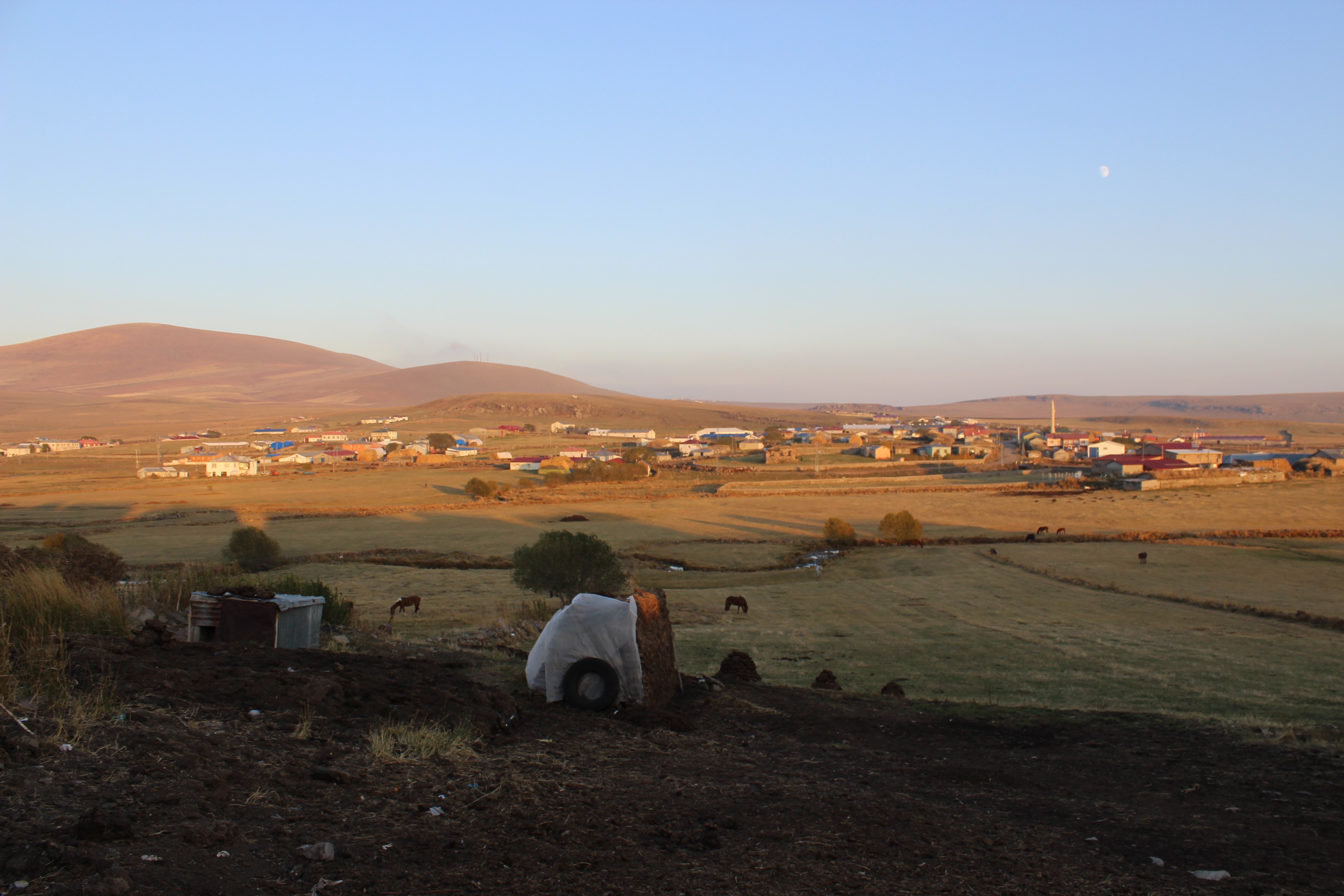
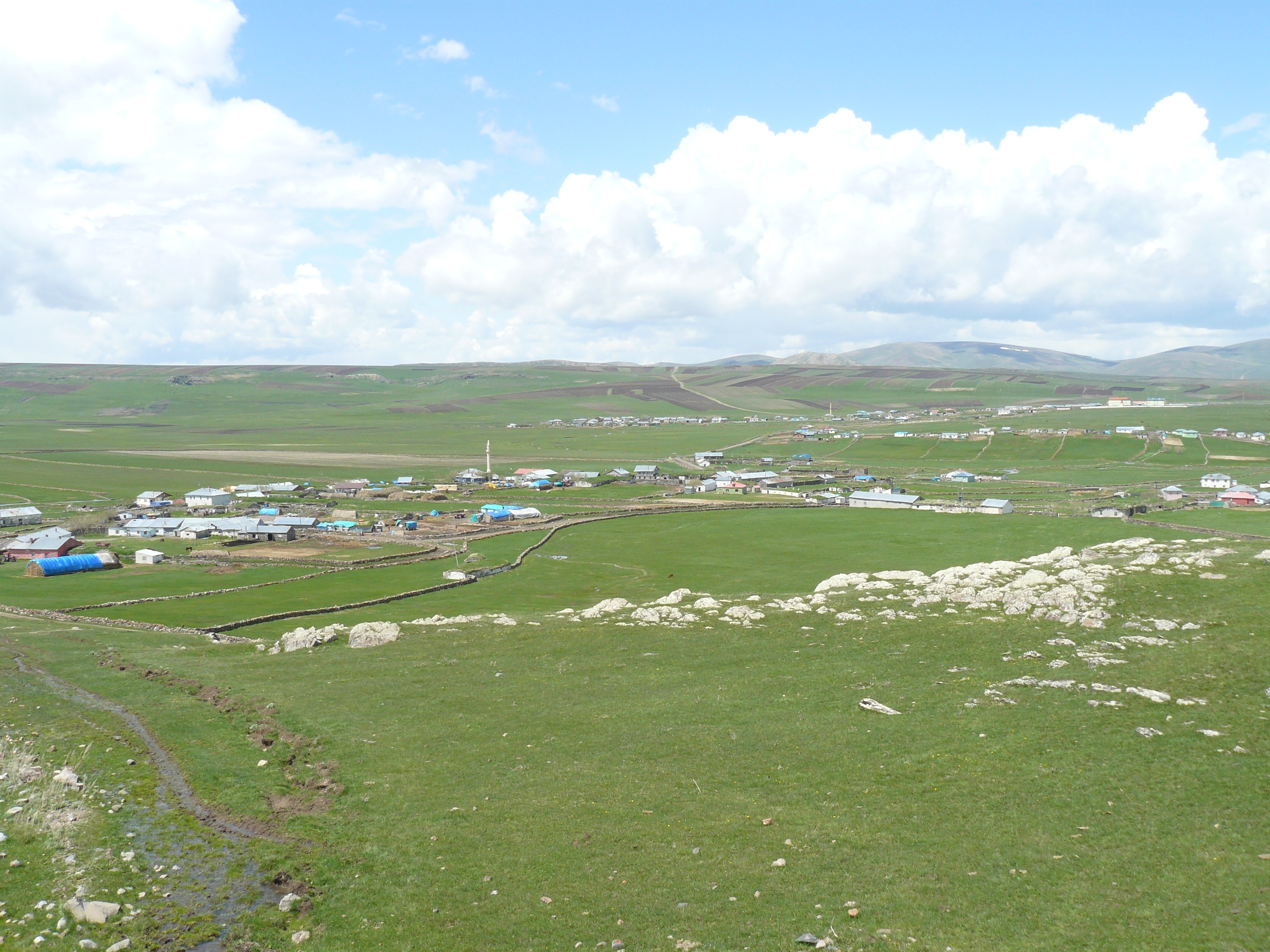
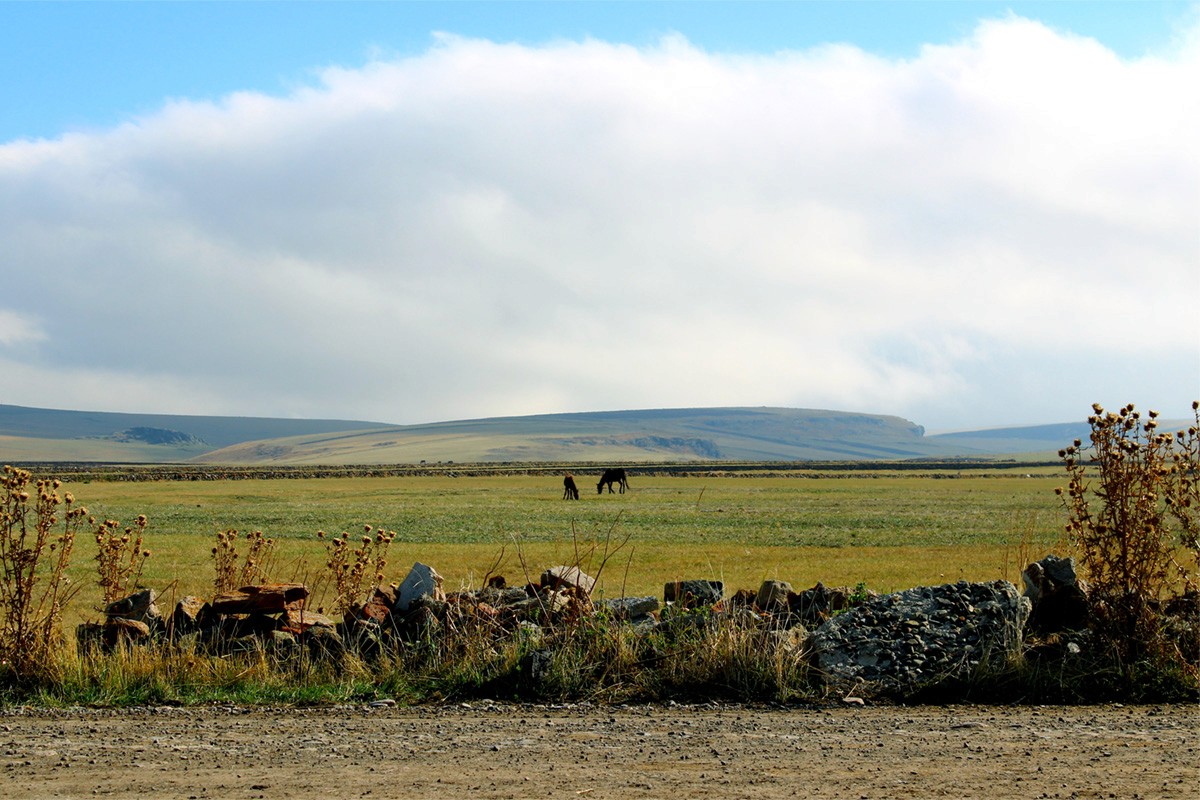
Boğatepe, located approximately 50 km from the center of Kars, at an altitude of 2350 meters with pastures reaching 2800 meters, is a breathtaking destination with its pristine nature and rich flora. It is home not only to Turkey’s most exclusive cheeses but also to an inspiring story of rebirth and solidarity. With its deep-rooted production culture, untouched landscape, and community spirit, Boğatepe stands as one of the most authentic examples of rural development. Welcome to the story of our village, full of flavor, nature, and solidarity.
Boğatepe, located approximately 50 km from the center of Kars, at an altitude of 2350 meters with pastures reaching 2800 meters, is a breathtaking destination with its pristine nature and rich flora. It is home not only to Turkey’s most exclusive cheeses but also to an inspiring story of rebirth and solidarity. With its deep-rooted production culture, untouched landscape, and community spirit, Boğatepe stands as one of the most authentic examples of rural development. Welcome to the story of our village, full of flavor, nature, and solidarity.
History
Boğatepe as a settlement was founded from within the political and demographic shifts in the region during the late 19th century. Following the Ottoman-Russian War of 1877-1878 (the "War of '93"), the region came under the rule of Tsarist Russia. The colonization policies implemented during this period deeply influenced the settlement patterns and social structure.
The Molokans (Malakans), who settled in the region, developed a community-based production culture while sustaining themselves through livestock farming on the vast plateaus. At the beginning of the century, at the invitation of Tsar Nicholas II, who aimed to Westernize his country, Swiss and German masters arrived in the region, initiating new economic and cultural interactions within the settlements.
Known at the time as "Bazarcık," the area gained importance as a stopover and trade point thanks to its strategic location on the Tbilisi-Kars postal route. The increasing production and commercial activities along this route led the settlement to be called "Zavot" (meaning "factory" in Russian) and resulted in the emergence of "Büyük (Large) Zavot" and "Küçük (Small) Zavot," as two separate settlements that form today’s Boğatepe.
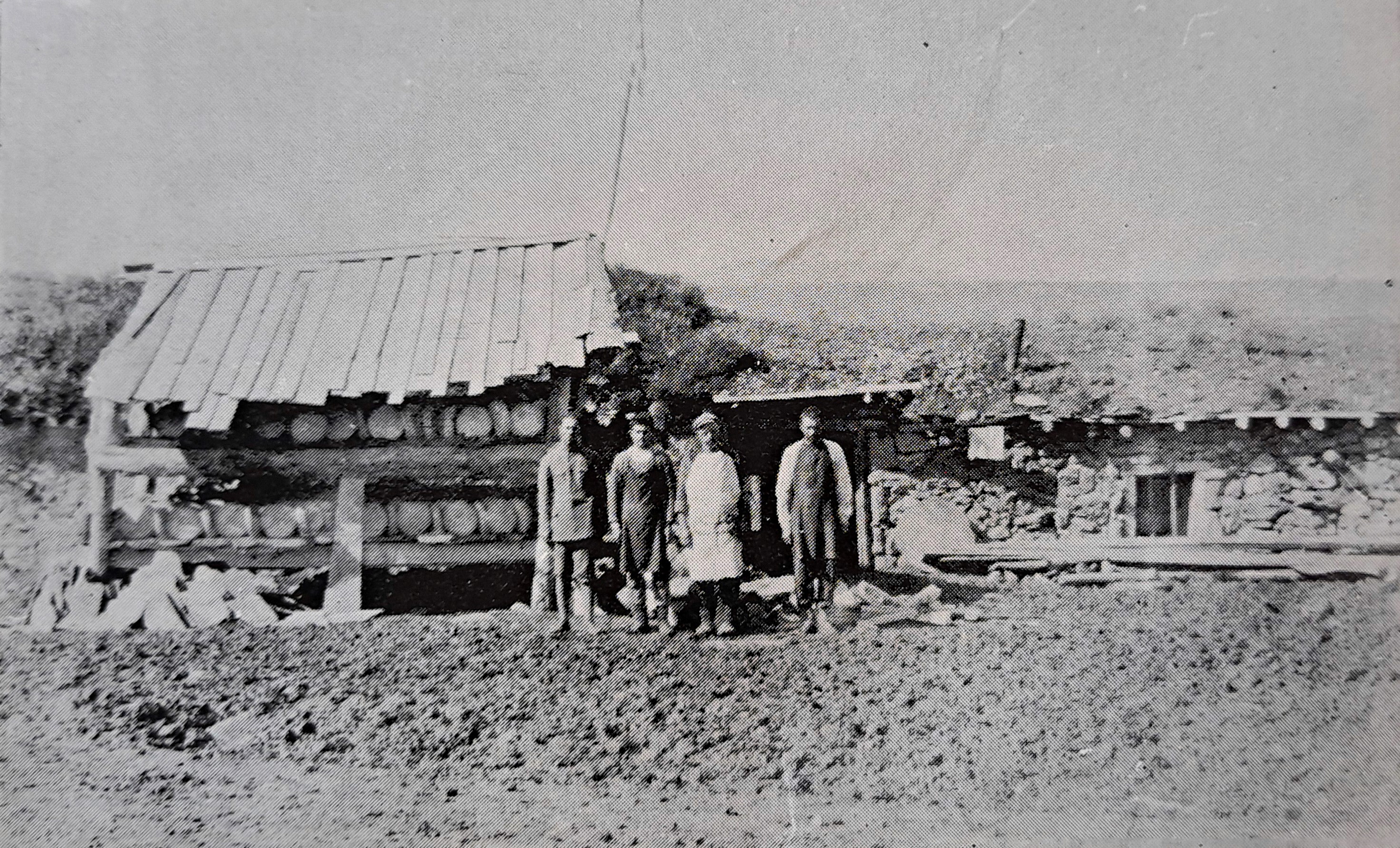
Following the October Revolution of 1917 and World War I, significant changes occurred in the region. Until 1920, the village was home to White Russians, Molokans, and Greeks (Rum). However, when Kars was reintegrated into the Republic of Turkey after World War I, Terekeme (Karapapak) Turks, who had migrated from the Borchali region of Georgia and were also engaged in cheesemaking, settled here. Having hosted families from many ethnic backgrounds over the years (Russian, Molokan, Swiss, German, Terekeme, Kurdish, Yerli), the current residents of Boğatepe Village consist of families who maintain the cultural diversity of their history and identify predominantly as Terekeme (Karapapak) and Kurdish.
In 1936, the village was officially named "Boğatepe," taking the name of the mountain at whose foot it was founded. Today, bearing the traces of the communities that arrived through various migrations, Boğatepe sustains its life through its multi-layered cultural heritage and community solidarity.
Following the October Revolution of 1917 and World War I, significant changes occurred in the region. Until 1920, the village was home to White Russians, Molokans, and Greeks (Rum). However, when Kars was reintegrated into the Republic of Turkey after World War I, Terekeme (Karapapak) Turks, who had migrated from the Borchali region of Georgia and were also engaged in cheesemaking, settled here. Having hosted families from many ethnic backgrounds over the years (Russian, Molokan, Swiss, German, Terekeme, Kurdish, Yerli), the current residents of Boğatepe Village consist of families who maintain the cultural diversity of their history and identify predominantly as Terekeme (Karapapak) and Kurdish.
In 1936, the village was officially named "Boğatepe," taking the name of the mountain at whose foot it was founded. Today, bearing the traces of the communities that arrived through various migrations, Boğatepe sustains its life through its multi-layered cultural heritage and community solidarity.
Following the October Revolution of 1917 and World War I, significant changes occurred in the region. Until 1920, the village was home to White Russians, Molokans, and Greeks (Rum). However, when Kars was reintegrated into the Republic of Turkey after World War I, Terekeme (Karapapak) Turks, who had migrated from the Borchali region of Georgia and were also engaged in cheesemaking, settled here. Having hosted families from many ethnic backgrounds over the years (Russian, Molokan, Swiss, German, Terekeme, Kurdish, Yerli), the current residents of Boğatepe Village consist of families who maintain the cultural diversity of their history and identify predominantly as Terekeme (Karapapak) and Kurdish.
In 1936, the village was officially named "Boğatepe," taking the name of the mountain at whose foot it was founded. Today, bearing the traces of the communities that arrived through various migrations, Boğatepe sustains its life through its multi-layered cultural heritage and community solidarity.
Following the October Revolution of 1917 and World War I, significant changes occurred in the region. Until 1920, the village was home to White Russians, Molokans, and Greeks (Rum). However, when Kars was reintegrated into the Republic of Turkey after World War I, Terekeme (Karapapak) Turks, who had migrated from the Borchali region of Georgia and were also engaged in cheesemaking, settled here. Having hosted families from many ethnic backgrounds over the years (Russian, Molokan, Swiss, German, Terekeme, Kurdish, Yerli), the current residents of Boğatepe Village consist of families who maintain the cultural diversity of their history and identify predominantly as Terekeme (Karapapak) and Kurdish.
In 1936, the village was officially named "Boğatepe," taking the name of the mountain at whose foot it was founded. Today, bearing the traces of the communities that arrived through various migrations, Boğatepe sustains its life through its multi-layered cultural heritage and community solidarity.
The origins of Boğatepe lie in the fertile highlands that neighboring villages used to graze their animals during the summer months before permanent settlements existed. As the guardian of a rich cultural heritage shaped by migrations, Boğatepe is a vibrant center that welcomes thousands of local and foreign guests every year, offering them not only unique cheeses but also a hopeful story of how a community can build its own future.
The origins of Boğatepe lie in the fertile highlands that neighboring villages used to graze their animals during the summer months before permanent settlements existed. As the guardian of a rich cultural heritage shaped by migrations, Boğatepe is a vibrant center that welcomes thousands of local and foreign guests every year, offering them not only unique cheeses but also a hopeful story of how a community can build its own future.
For detailed information about our cheesemaking history in Boğatepe, you can visit the Ekomüze Zavot page; to learn about our cheese production processes and to purchase from our certified producers, please visit our Our Cheeses page.
For detailed information about our cheesemaking history in Boğatepe, you can visit the Ekomüze Zavot page; to learn about our cheese production processes and to purchase from our certified producers, please visit our Our Cheeses page.
You are invited to Boğatepe!
You are invited to Boğatepe!
You are invited to Boğatepe!
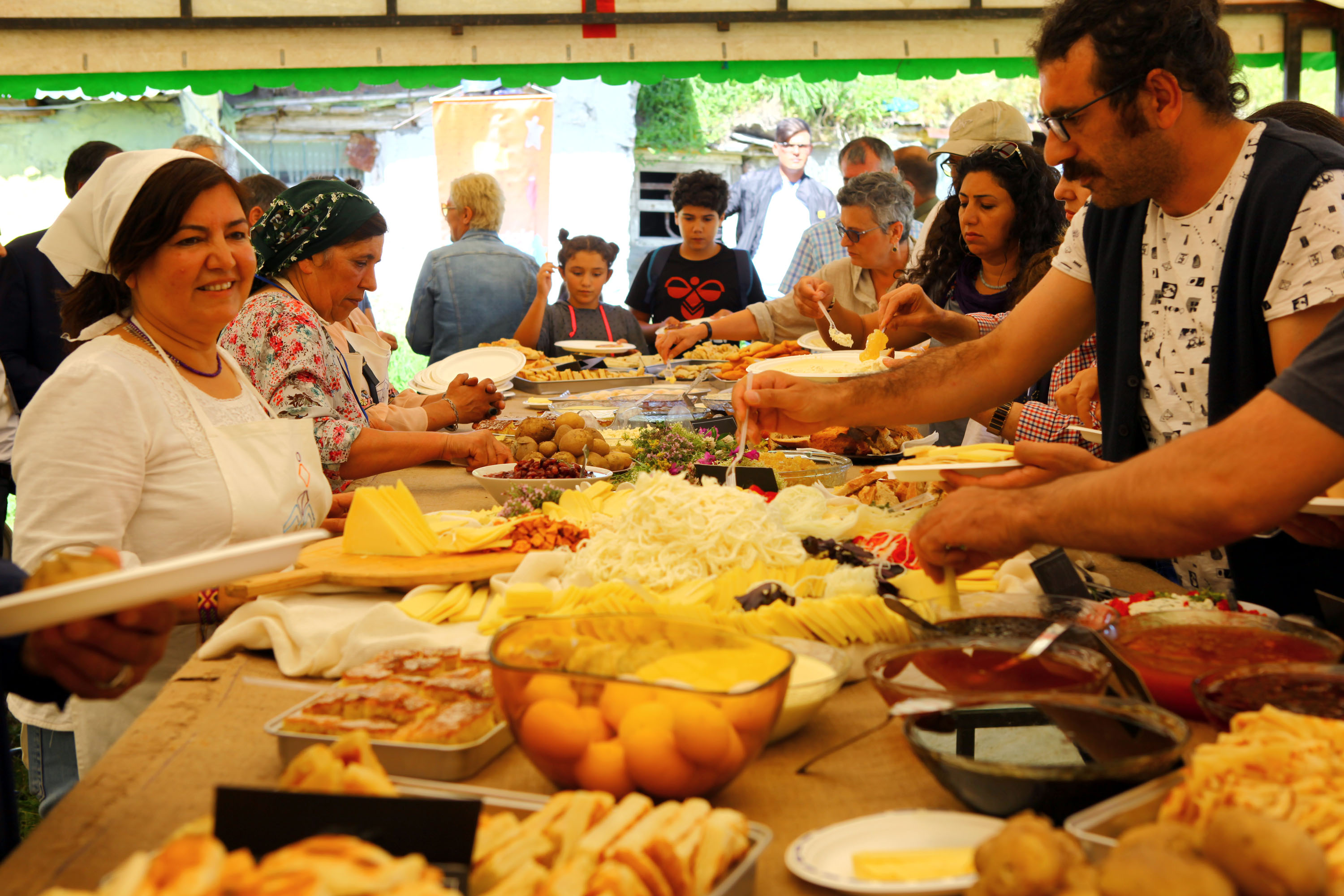
When you visit our village, you can start the day with a Boğatepe breakfast with fresh butter, honey, homemade jams, warm bread, and legendary kete. Afterward, you can journey through the fascinating history of the village and cheesemaking by exploring Turkey’s first cheese museum, Ekomüze Zavot. At our rural memory and learning center, Zavot KÖK (Village Teacher, Culture and Arts Center) Rural Memory and Learning Hub, you can browse exhibitions, attend talks, and become a part of or an organizer of workshops.
When you visit our village, you can start the day with a Boğatepe breakfast with fresh butter, honey, homemade jams, warm bread, and legendary kete. Afterward, you can journey through the fascinating history of the village and cheesemaking by exploring Turkey’s first cheese museum, Ekomüze Zavot. At our rural memory and learning center, Zavot KÖK (Village Teacher, Culture and Arts Center) Rural Memory and Learning Hub, you can browse exhibitions, attend talks, and become a part of or an organizer of workshops.
When you visit our village, you can start the day with a Boğatepe breakfast with fresh butter, honey, homemade jams, warm bread, and legendary kete. Afterward, you can journey through the fascinating history of the village and cheesemaking by exploring Turkey’s first cheese museum, Ekomüze Zavot. At our rural memory and learning center, Zavot KÖK (Village Teacher, Culture and Arts Center) Rural Memory and Learning Hub, you can browse exhibitions, attend talks, and become a part of or an organizer of workshops.
You can share the enthusiasm of rural life at the colorful festivals held every July, and create unforgettable memories intertwined with nature and production with children and youth during winter and summer camps. You can witness the making of Boğatepe Gravyer, produced using traditional methods in Turkey, and watch the production process of the geographically indicated Kars Kaşar to hear the story of this unique flavor firsthand.
You can hike, run, and take postcard-perfect photos in the vast Alpine meadows of Boğatepe. You can listen to the inspiring success stories of the women of Boğatepe and support this valuable initiative by purchasing the natural and local products created through their labor. If you wish, you can join us in grazing the cows, try your hand at milking and cheesemaking, and share our bread at the same table.
You can share the enthusiasm of rural life at the colorful festivals held every July, and create unforgettable memories intertwined with nature and production with children and youth during winter and summer camps. You can witness the making of Boğatepe Gravyer, produced using traditional methods in Turkey, and watch the production process of the geographically indicated Kars Kaşar to hear the story of this unique flavor firsthand.
You can hike, run, and take postcard-perfect photos in the vast Alpine meadows of Boğatepe. You can listen to the inspiring success stories of the women of Boğatepe and support this valuable initiative by purchasing the natural and local products created through their labor. If you wish, you can join us in grazing the cows, try your hand at milking and cheesemaking, and share our bread at the same table.
You can share the enthusiasm of rural life at the colorful festivals held every July, and create unforgettable memories intertwined with nature and production with children and youth during winter and summer camps. You can witness the making of Boğatepe Gravyer, produced using traditional methods in Turkey, and watch the production process of the geographically indicated Kars Kaşar to hear the story of this unique flavor firsthand.
You can hike, run, and take postcard-perfect photos in the vast Alpine meadows of Boğatepe. You can listen to the inspiring success stories of the women of Boğatepe and support this valuable initiative by purchasing the natural and local products created through their labor. If you wish, you can join us in grazing the cows, try your hand at milking and cheesemaking, and share our bread at the same table.
You can share the enthusiasm of rural life at the colorful festivals held every July, and create unforgettable memories intertwined with nature and production with children and youth during winter and summer camps. You can witness the making of Boğatepe Gravyer, produced using traditional methods in Turkey, and watch the production process of the geographically indicated Kars Kaşar to hear the story of this unique flavor firsthand.
You can hike, run, and take postcard-perfect photos in the vast Alpine meadows of Boğatepe. You can listen to the inspiring success stories of the women of Boğatepe and support this valuable initiative by purchasing the natural and local products created through their labor. If you wish, you can join us in grazing the cows, try your hand at milking and cheesemaking, and share our bread at the same table.
When to visit Boğatepe?
When to visit Boğatepe?
When to visit Boğatepe?
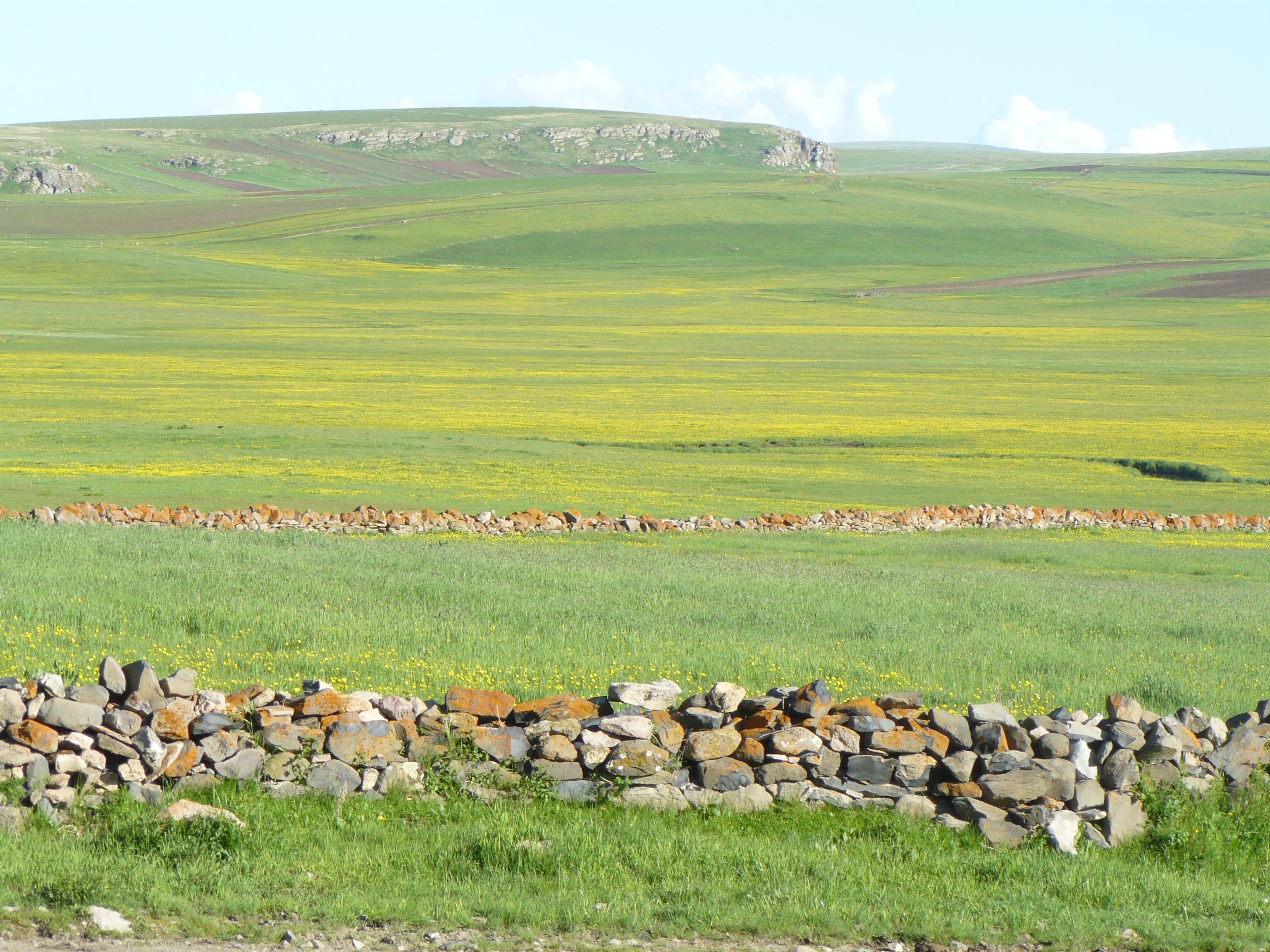
Boğatepe Zavot Village can be visited 12 months of the year. In Boğatepe, there are two seasons and two colors: the seasons are winter and spring, and the colors are white and green. Due to its altitude of 2350 meters above sea level, summer months in Boğatepe are rainy and cool, much like spring. In winter, it is completely covered in snow, and temperatures can drop to -30 degrees Celsius.
Boğatepe Zavot Village can be visited 12 months of the year. In Boğatepe, there are two seasons and two colors: the seasons are winter and spring, and the colors are white and green. Due to its altitude of 2350 meters above sea level, summer months in Boğatepe are rainy and cool, much like spring. In winter, it is completely covered in snow, and temperatures can drop to -30 degrees Celsius.
Boğatepe Zavot Village can be visited 12 months of the year. In Boğatepe, there are two seasons and two colors: the seasons are winter and spring, and the colors are white and green. Due to its altitude of 2350 meters above sea level, summer months in Boğatepe are rainy and cool, much like spring. In winter, it is completely covered in snow, and temperatures can drop to -30 degrees Celsius.
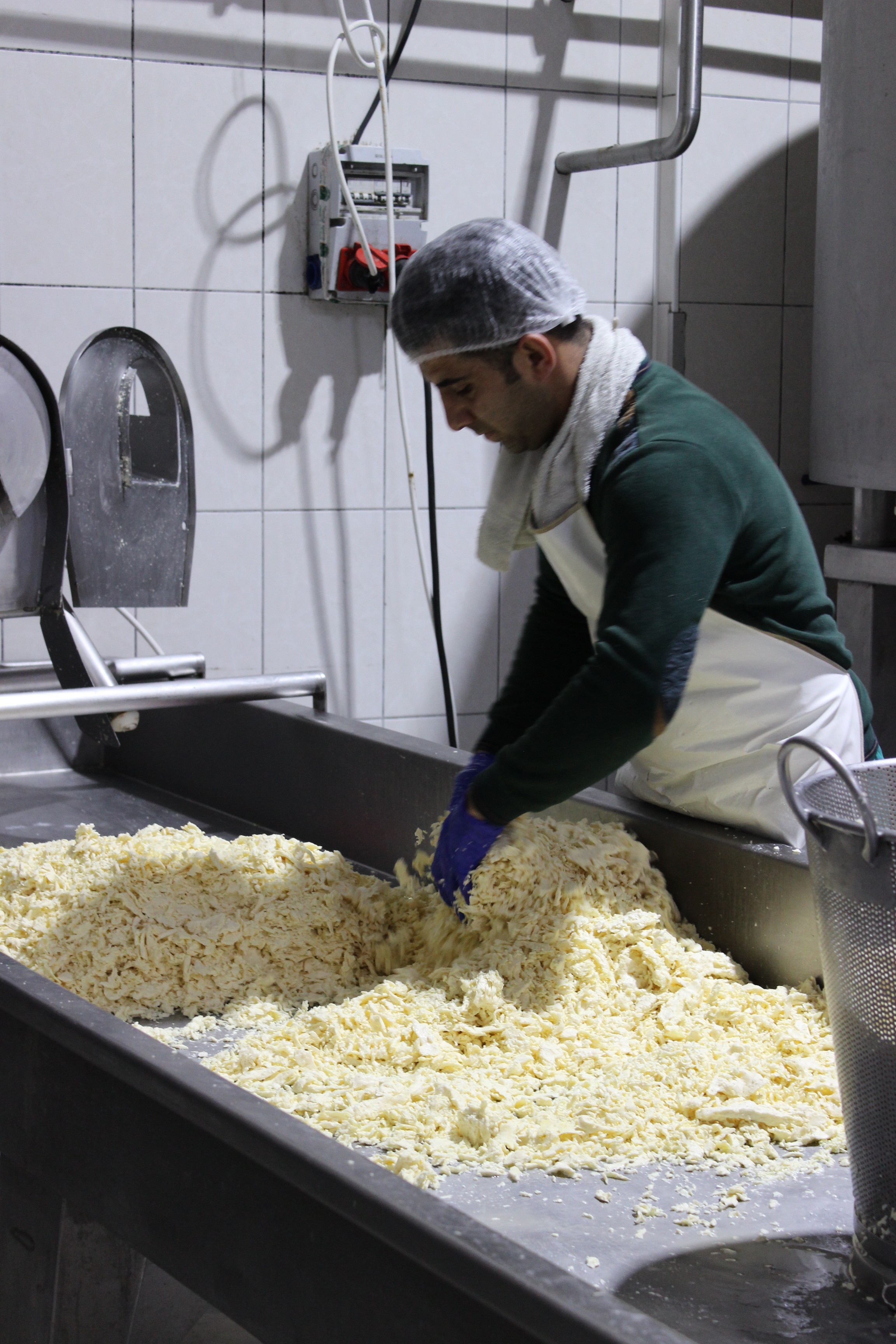
The period between May and August, when milk and cheese production increases and everywhere is lush green, is the best time to see and experience everything regarding the production of Kaşar, Gravyer, and other cheese varieties on-site. The period between December and March is when the village is covered in snow, cows are kept in barns, and due to low milk production only the production of geographically indicated Kars Kaşar can be observed. Except for the May–August period, Gravyer cheese is not produced in the village.
In winter, driving on the village road is quite risky due to blizzards and icing. Do not neglect to have snow tires and chains in your vehicle. For your safety, try to reach the village using vehicles driven by local drivers as much as possible during the winter months.
The period between May and August, when milk and cheese production increases and everywhere is lush green, is the best time to see and experience everything regarding the production of Kaşar, Gravyer, and other cheese varieties on-site. The period between December and March is when the village is covered in snow, cows are kept in barns, and due to low milk production only the production of geographically indicated Kars Kaşar can be observed. Except for the May–August period, Gravyer cheese is not produced in the village.
In winter, driving on the village road is quite risky due to blizzards and icing. Do not neglect to have snow tires and chains in your vehicle. For your safety, try to reach the village using vehicles driven by local drivers as much as possible during the winter months.
The period between May and August, when milk and cheese production increases and everywhere is lush green, is the best time to see and experience everything regarding the production of Kaşar, Gravyer, and other cheese varieties on-site. The period between December and March is when the village is covered in snow, cows are kept in barns, and due to low milk production only the production of geographically indicated Kars Kaşar can be observed. Except for the May–August period, Gravyer cheese is not produced in the village.
In winter, driving on the village road is quite risky due to blizzards and icing. Do not neglect to have snow tires and chains in your vehicle. For your safety, try to reach the village using vehicles driven by local drivers as much as possible during the winter months.
The period between May and August, when milk and cheese production increases and everywhere is lush green, is the best time to see and experience everything regarding the production of Kaşar, Gravyer, and other cheese varieties on-site. The period between December and March is when the village is covered in snow, cows are kept in barns, and due to low milk production only the production of geographically indicated Kars Kaşar can be observed. Except for the May–August period, Gravyer cheese is not produced in the village.
In winter, driving on the village road is quite risky due to blizzards and icing. Do not neglect to have snow tires and chains in your vehicle. For your safety, try to reach the village using vehicles driven by local drivers as much as possible during the winter months.
To visit our village, get information about events, or share your questions and opinions on other matters, you can reach us through our Contact page.
Create Value with Your Support
From the training programs we organize to our efforts in supporting local production, everything we do is made possible thanks to valuable supporters like you. Every contribution you make brings meaningful change to this region.
Join our community, become part of this story.
DONATE
DONATE
DONATE




© Boğatepe Çevre ve Yaşam Derneği 2025
36002 Boğatepe/Kars Merkez/Kars
© Boğatepe Çevre ve Yaşam Derneği 2025
36002 Boğatepe/Kars Merkez/Kars
© Boğatepe Çevre ve Yaşam Derneği 2025
36002 Boğatepe/Kars Merkez/Kars