Cycle of Nature and Sustainability
Cheesemaking in Boğatepe
Cheesemaking was professionalized in the late 19th century during the Tsarist Russian era. Seeking new production areas due to population growth and food demand, Swiss cheese masters came to the Caucasus at the invitation of Tsar Nicholas II. A settlement named Bazarcık on the Tbilisi-Kars post road drew attention for its ease of access and rich vegetation. The Swiss decided to produce Gruyère cheese on these plateaus, which were reminiscent of the Alps.
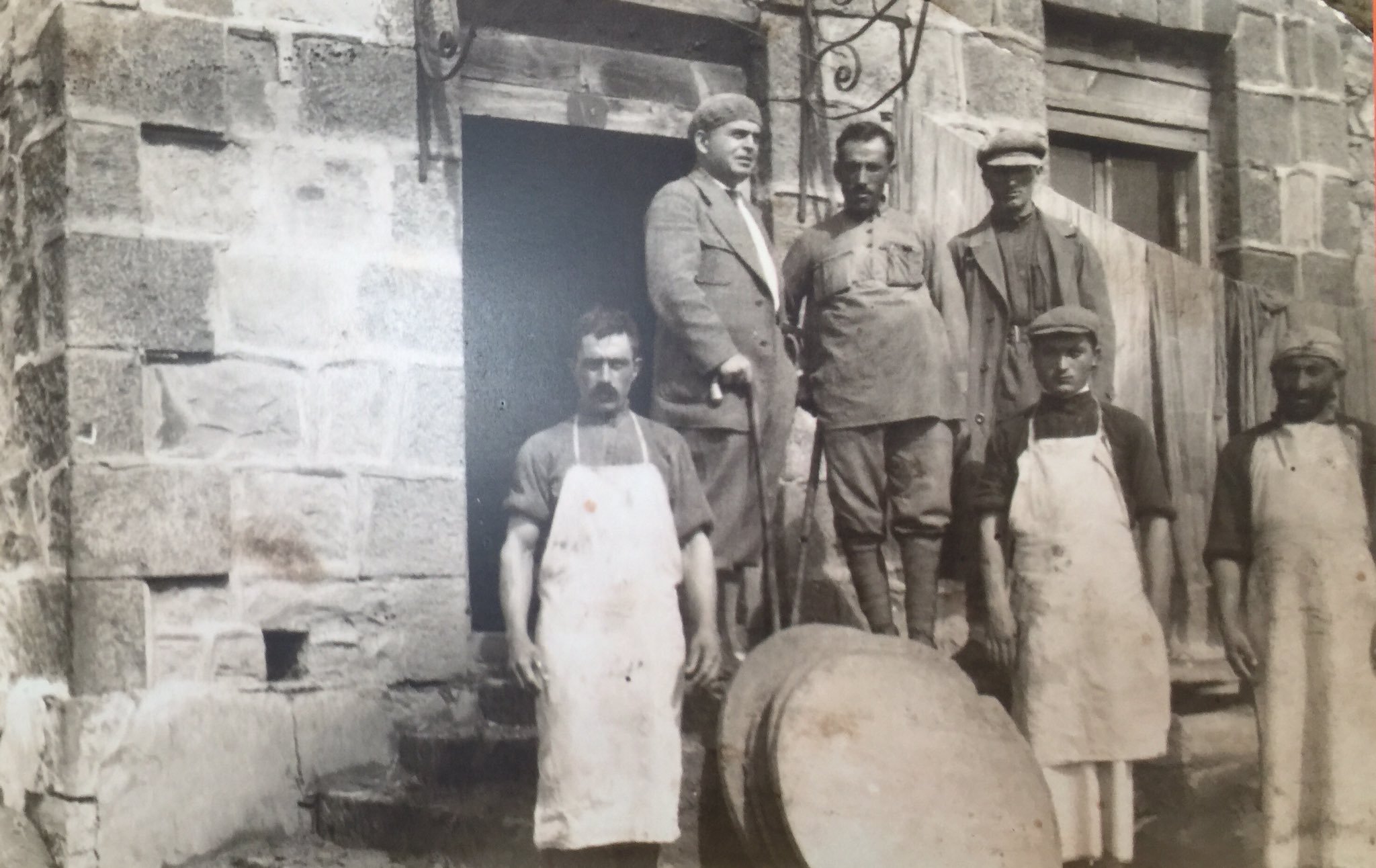
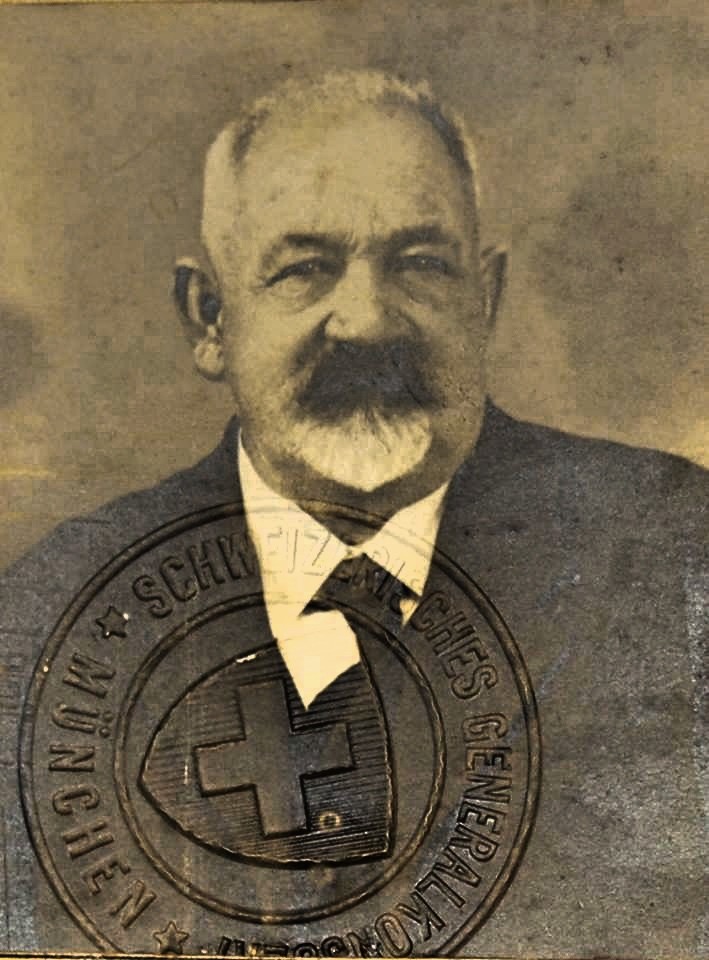
A pioneer of this initiative, Swiss cheesemaker David Moser, noticed the high-quality milk production during a visit to the region in 1900 and established a dairy here. Subsequently, local producers came together to form a cooperative with 16 partners. With increased production capacity, new dairies opened in the village. Thus, the settlement came to be known as Zavot, the Russian word for "factory."
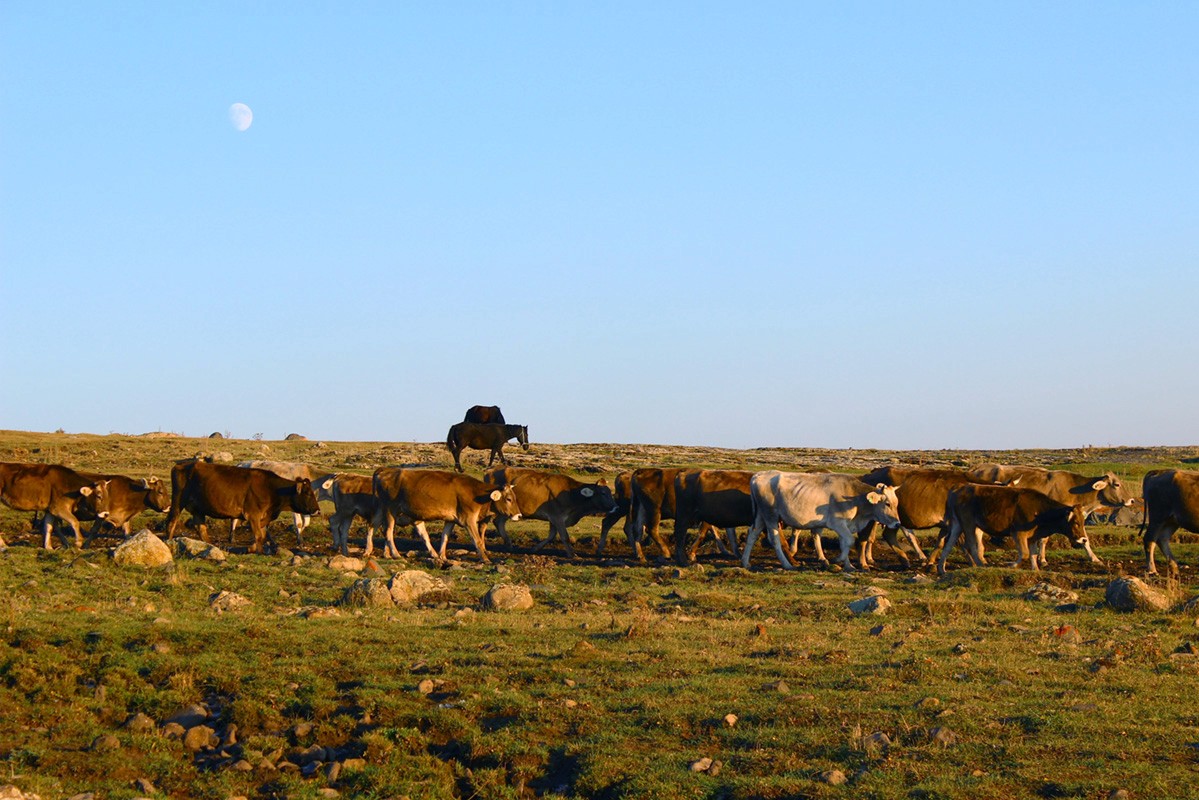
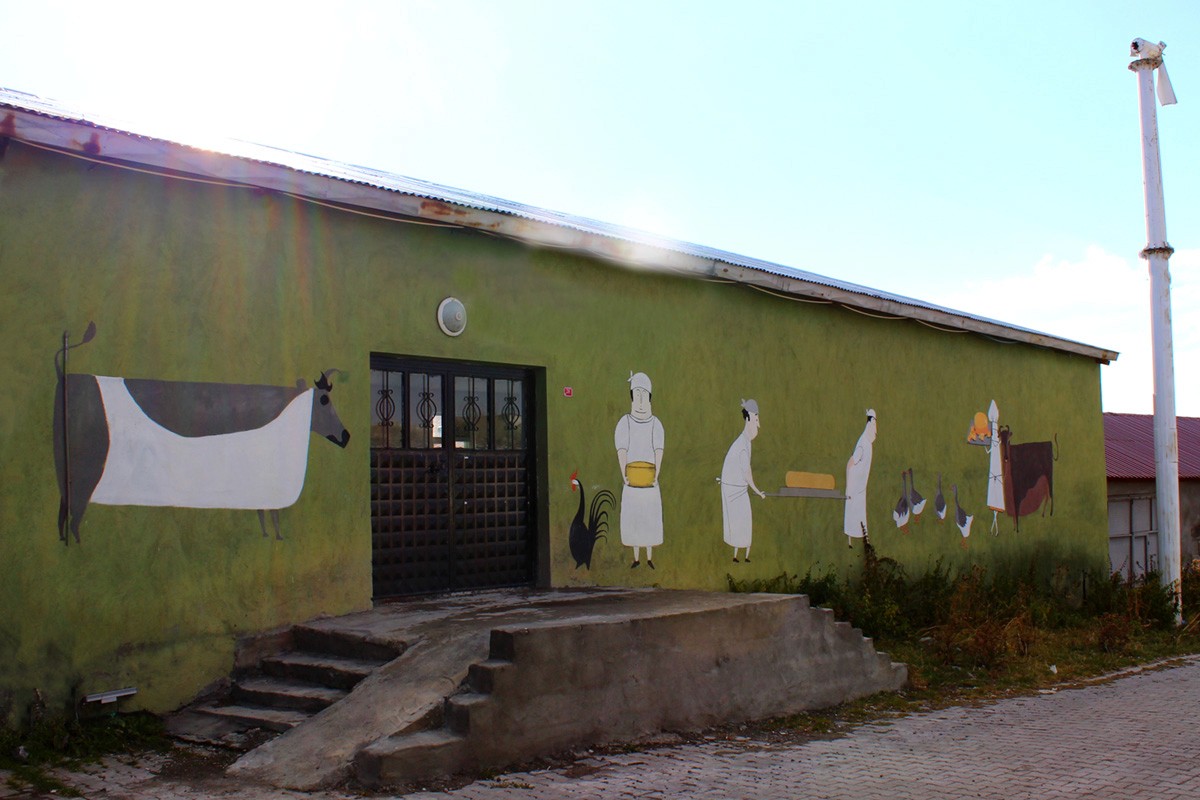
During this period, not only cheese production but also cattle breeding gained importance. Malakan communities, who arrived with the Swiss masters, crossbred high-yield Simmental and Montbéliarde cattle with local species, developing a new lineage known as the Zavot breed. With their high-fat milk, Zavot cows provided exceptional quality for gravyer and kaşar production. This native breed adapted to Boğatepe's geography and formed the basis of the village's economic identity.
After the 1917 Revolution, the Swiss masters left the region, but their knowledge was preserved by the local people and transformed into a new production approach. After Kars joined the Republic of Turkey in 1920, the Terekeme (Karapapak) Turks who settled in the village took over the cheesemaking tradition and strengthened the cooperative structure. With new workshops established during the Republican era, production was revived, and the village became a regional milk processing center.
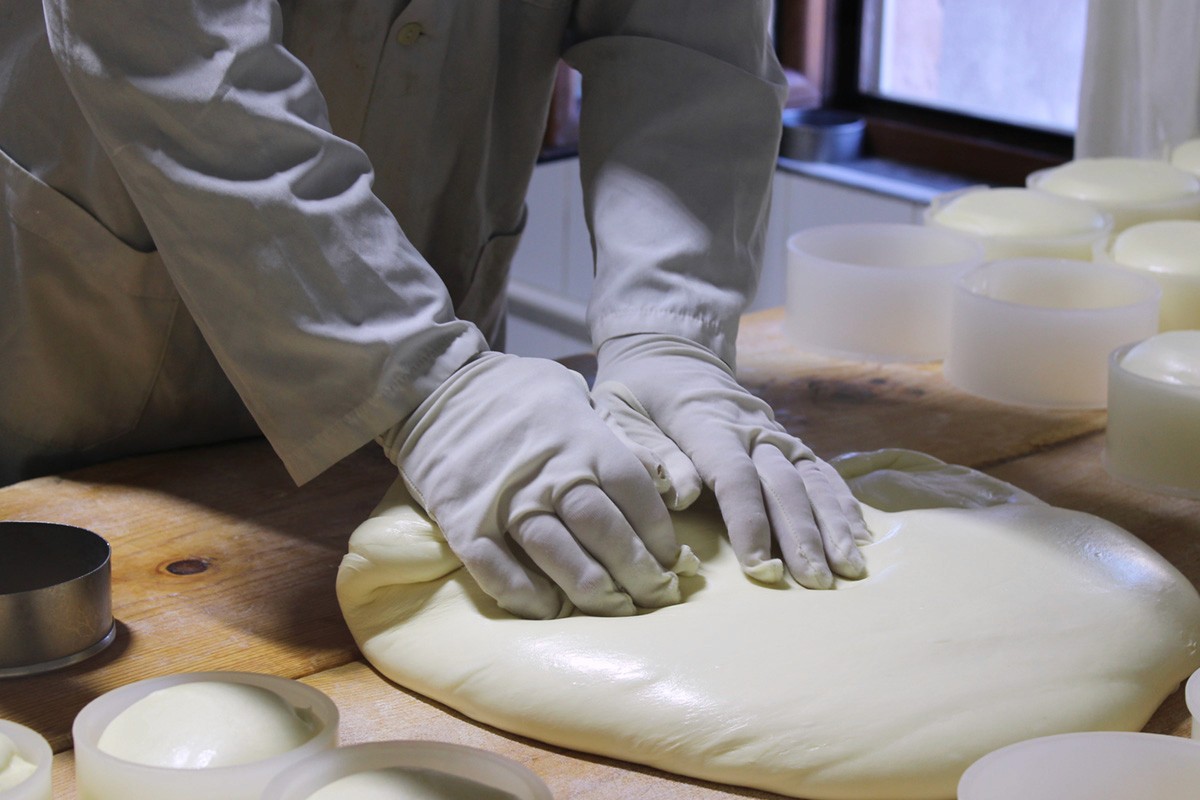
Today, Boğatepe Gravyer cheese is registered by the Slow Food Presidium program and is recognized worldwide for both its unique taste and sustainable production methods. Additionally, the geographically indicated Kars Kaşar cheese and various other traditional cheese types are still produced from the milk of Zavot cows.
Ecomuseum Zavot
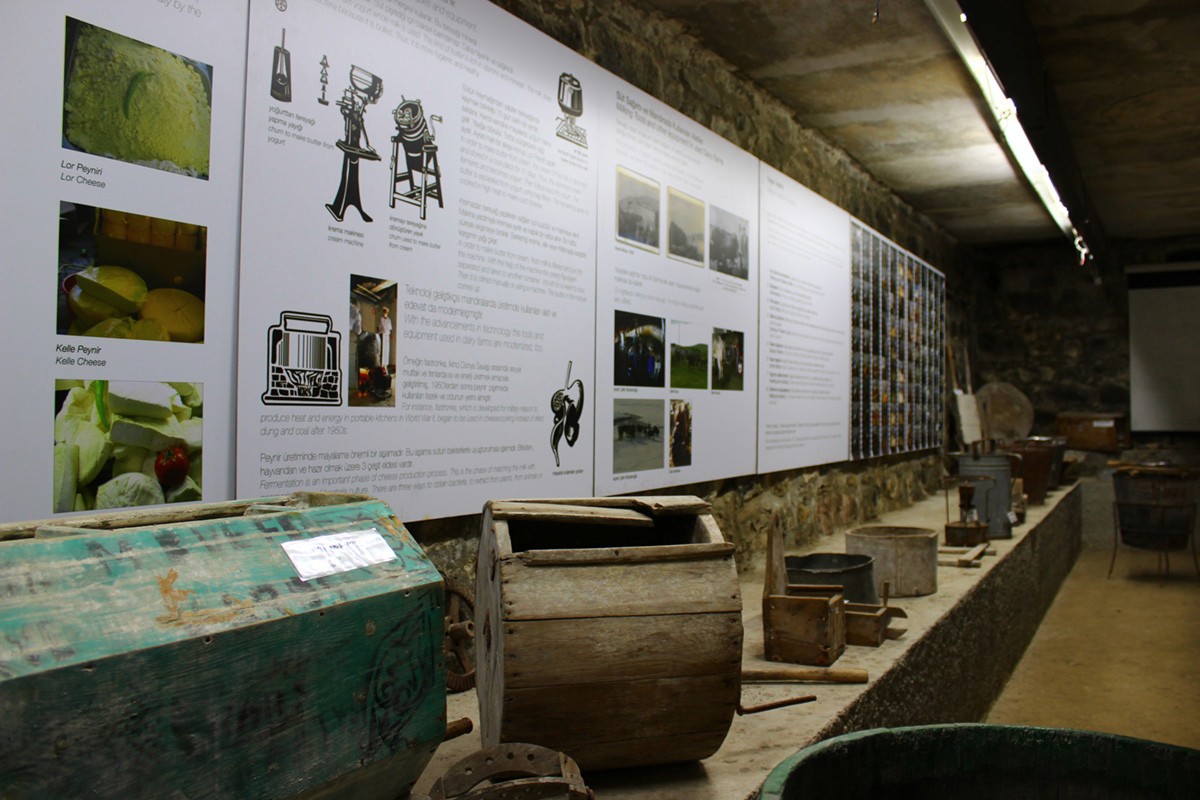
The 2000s marked a turning point for this historic heritage. The Boğatepe Environment and Life Association, led by İlhan Koçulu and with the support of the United Nations Development Programme (UNDP), took action to save the building. Through an extensive restoration project, the structure was renovated in line with its original form. In 2009, its lower floor reopened as "Ecomuseum Zavot," exhibiting the history of cheesemaking, while its upper floor became a multi-purpose center hosting social and cultural events.
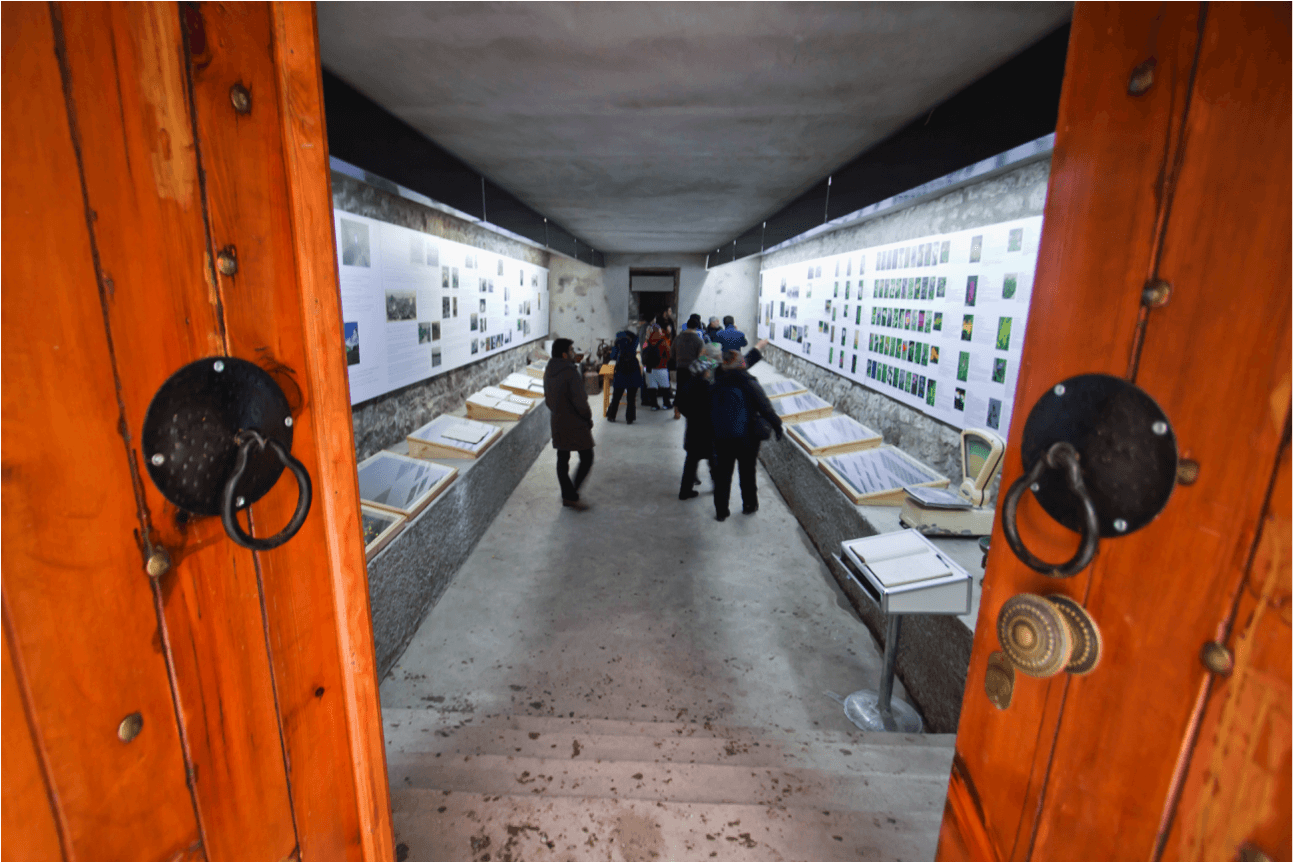
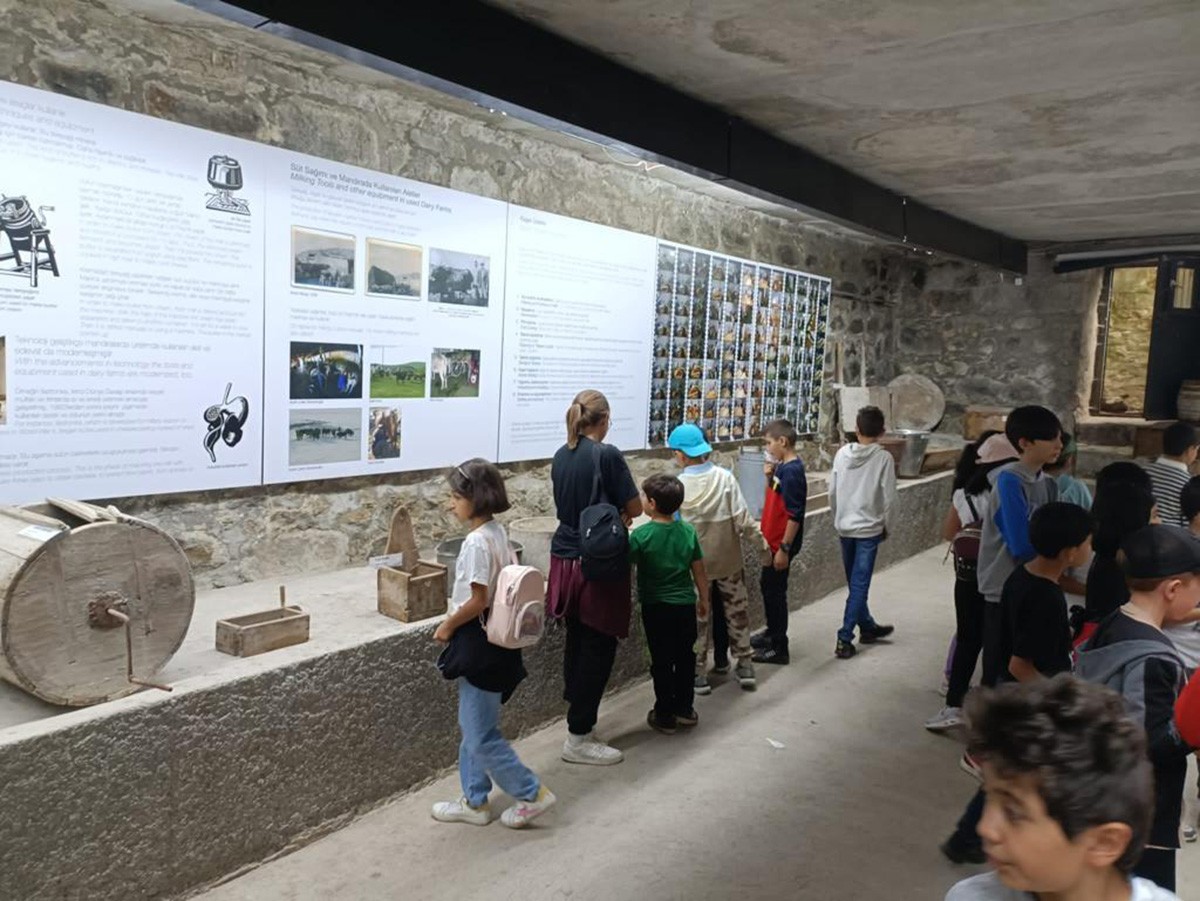
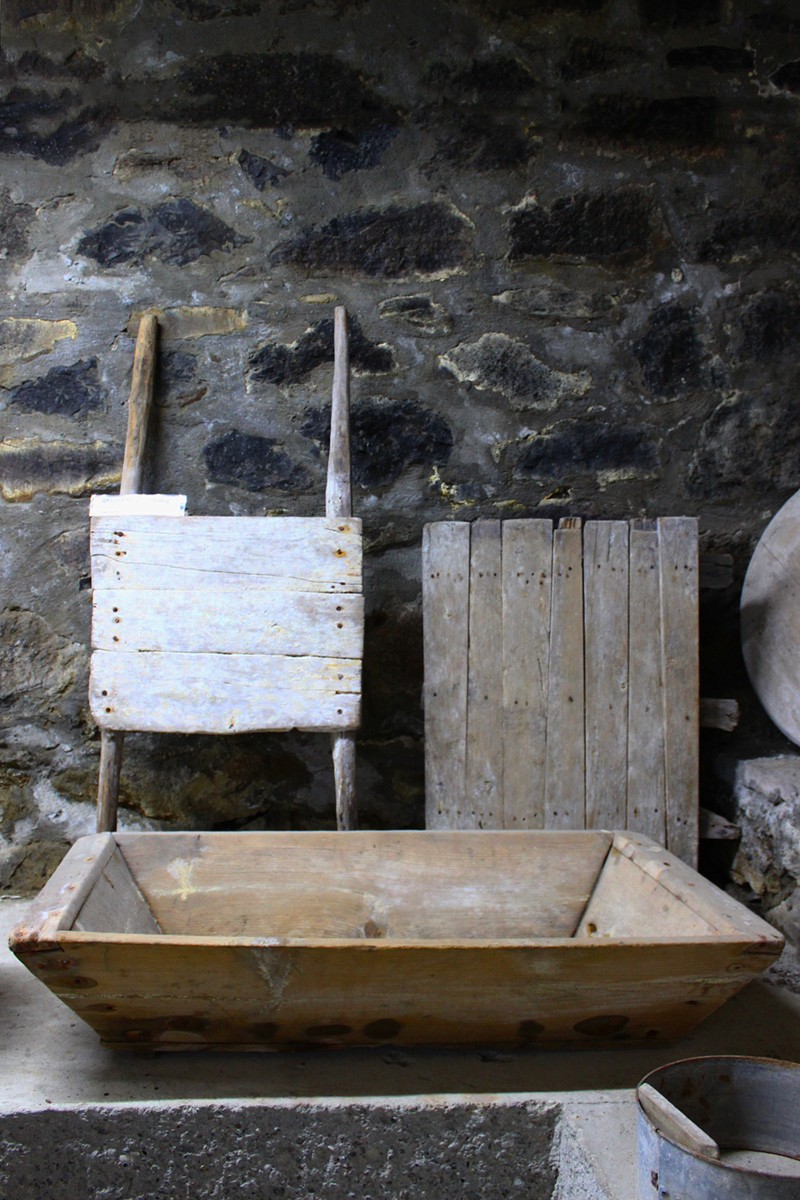
This new approach, which gained momentum in France in the 1970s with an emphasis on sustainability, has led to the creation of over five hundred ecomuseums in many countries today. Classic museums are enclosed, static spaces where selected artifacts and collections are displayed. Ecomuseums, in contrast, are open and living geographical areas that encompass an entire village or town. In these areas, the aim is to promote, sustain, and ensure community ownership of natural and cultural heritage. Visitors are not merely observers but active participants who engage in cultural practices, learn, and take on responsibility.
The primary goal of ecomuseums is to preserve cultural heritage, promote it for future generations, and create sustainable socio-economic opportunities at the local level. These museums contribute to local development through functions such as supporting village life, strengthening cultural identity, and reducing rural-to-urban migration. Examples worldwide show that ecomuseum practices are making rural life attractive again; in some regions, they have even enabled a reverse migration from cities to villages.
Two significant examples representing ecomuseology in Turkey are the Ecomuseum of Boğatepe Village in Kars and the Ecomuseum of Hüsamettindere Village in Bolu. With its rich historical, cultural, and natural heritage, Turkey has the potential to host hundreds of ecomuseum projects. However, awareness and conceptual depth regarding ecomuseology have not yet reached the desired level. A broader understanding of the ecomuseum concept and an increase in concrete projects in this field will pave the way for sustainable rural development and the protection of cultural heritage in our country.