Our Animals
Our Animals
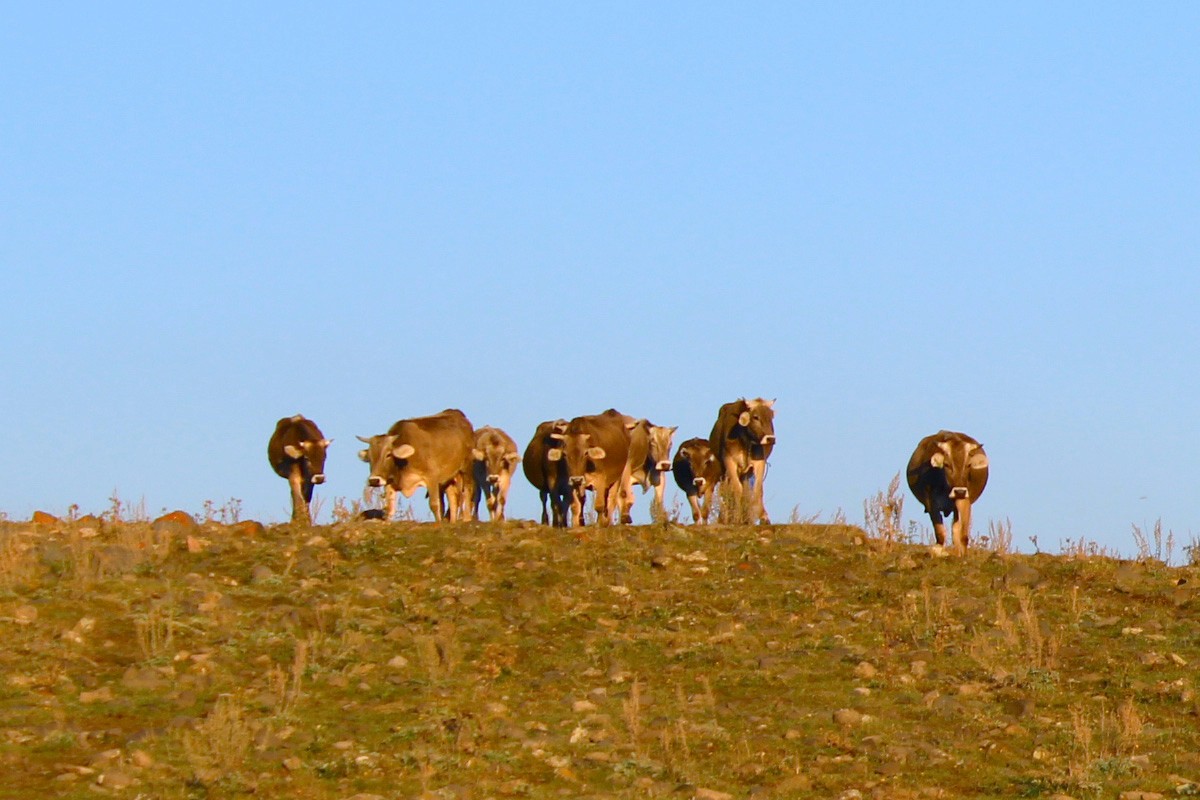
Boğatepe is one of the important centers of animal husbandry. In these lands, our animals, raised with care and knowledge passed down from generation to generation, are an inseparable part of both our village's identity and its economy. They are the true blessings of our villagers, sustaining the abundance of Boğatepe. On this page, we aim to introduce them to you, starting, for now, with cattle.
Boğatepe is one of the important centers of animal husbandry. In these lands, our animals, raised with care and knowledge passed down from generation to generation, are an inseparable part of both our village's identity and its economy. They are the true blessings of our villagers, sustaining the abundance of Boğatepe. On this page, we aim to introduce them to you, starting, for now, with cattle.
Zavot
Zavot
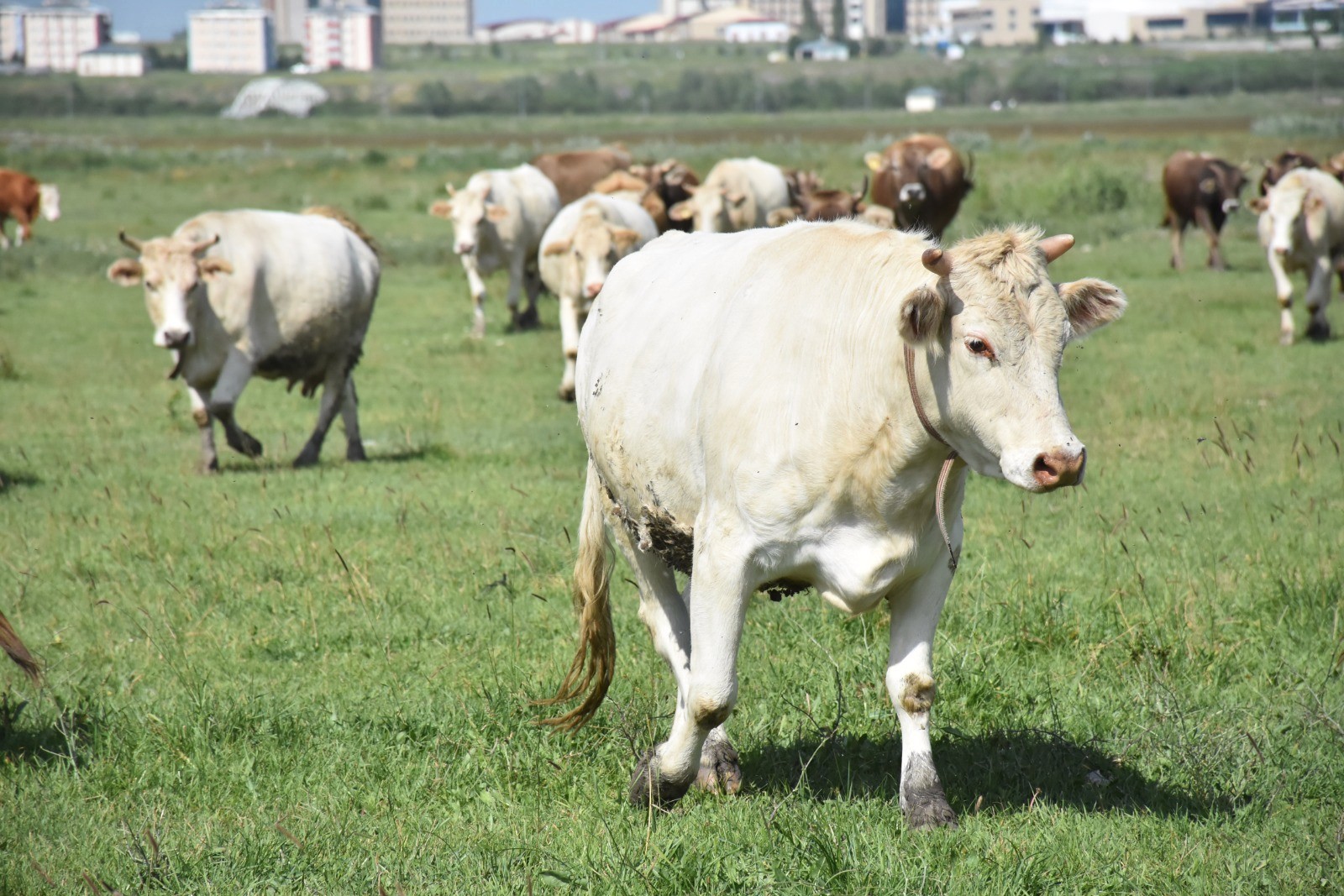
The Zavot cattle is one of Boğatepe's unique breeds. In the early 18th century, the Malakan Community and Volga Germans, who came from Russia's inner regions and the Estonian border, brought Simmental and Brown Swiss bulls to the region. These bulls were crossbred with the local Eastern Anatolian Red cows, and over time, the Zavot breed emerged.
The Zavot cattle is one of Boğatepe's unique breeds. In the early 18th century, the Malakan Community and Volga Germans, who came from Russia's inner regions and the Estonian border, brought Simmental and Brown Swiss bulls to the region. These bulls were crossbred with the local Eastern Anatolian Red cows, and over time, the Zavot breed emerged.
Known for their light-colored (white or yellowish) coats and strong build, Zavots are resilient to harsh climate conditions. Calves, which average 24 kg at birth, reach a weight of approximately 386 kg as adults. In the summer months, the fat content of their milk can reach 4.22%, and the protein content 3.37%. The Zavot breed stands out for its resistance to diseases and its dual-purpose yield of both milk and meat. Today, efforts are ongoing to preserve this breed and enhance its potential.
Known for their light-colored (white or yellowish) coats and strong build, Zavots are resilient to harsh climate conditions. Calves, which average 24 kg at birth, reach a weight of approximately 386 kg as adults. In the summer months, the fat content of their milk can reach 4.22%, and the protein content 3.37%. The Zavot breed stands out for its resistance to diseases and its dual-purpose yield of both milk and meat. Today, efforts are ongoing to preserve this breed and enhance its potential.
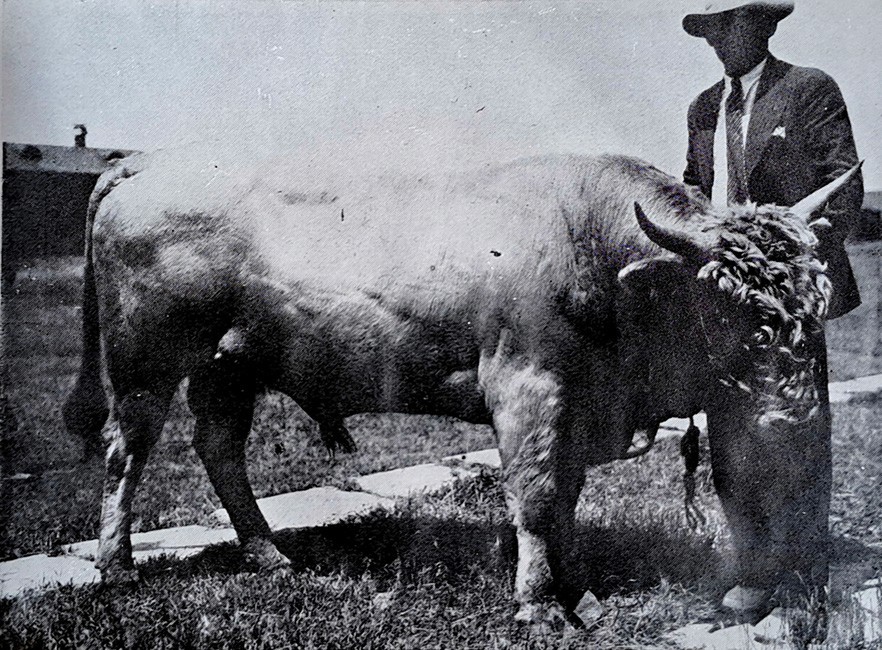
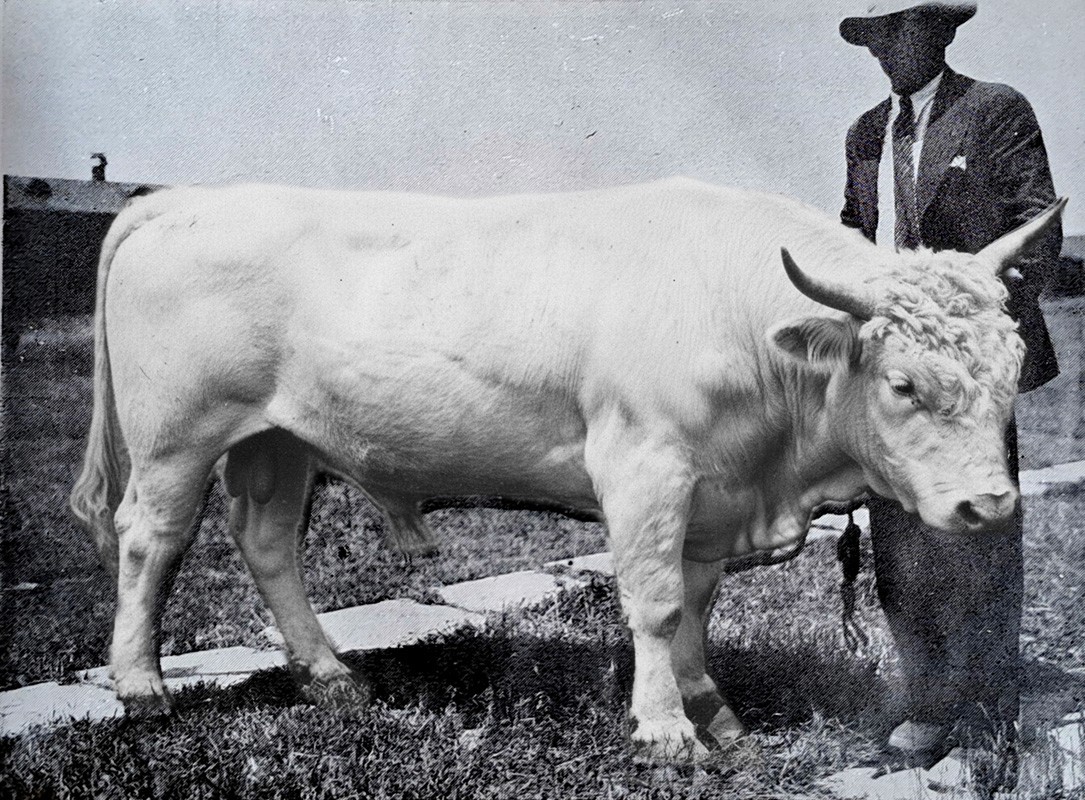
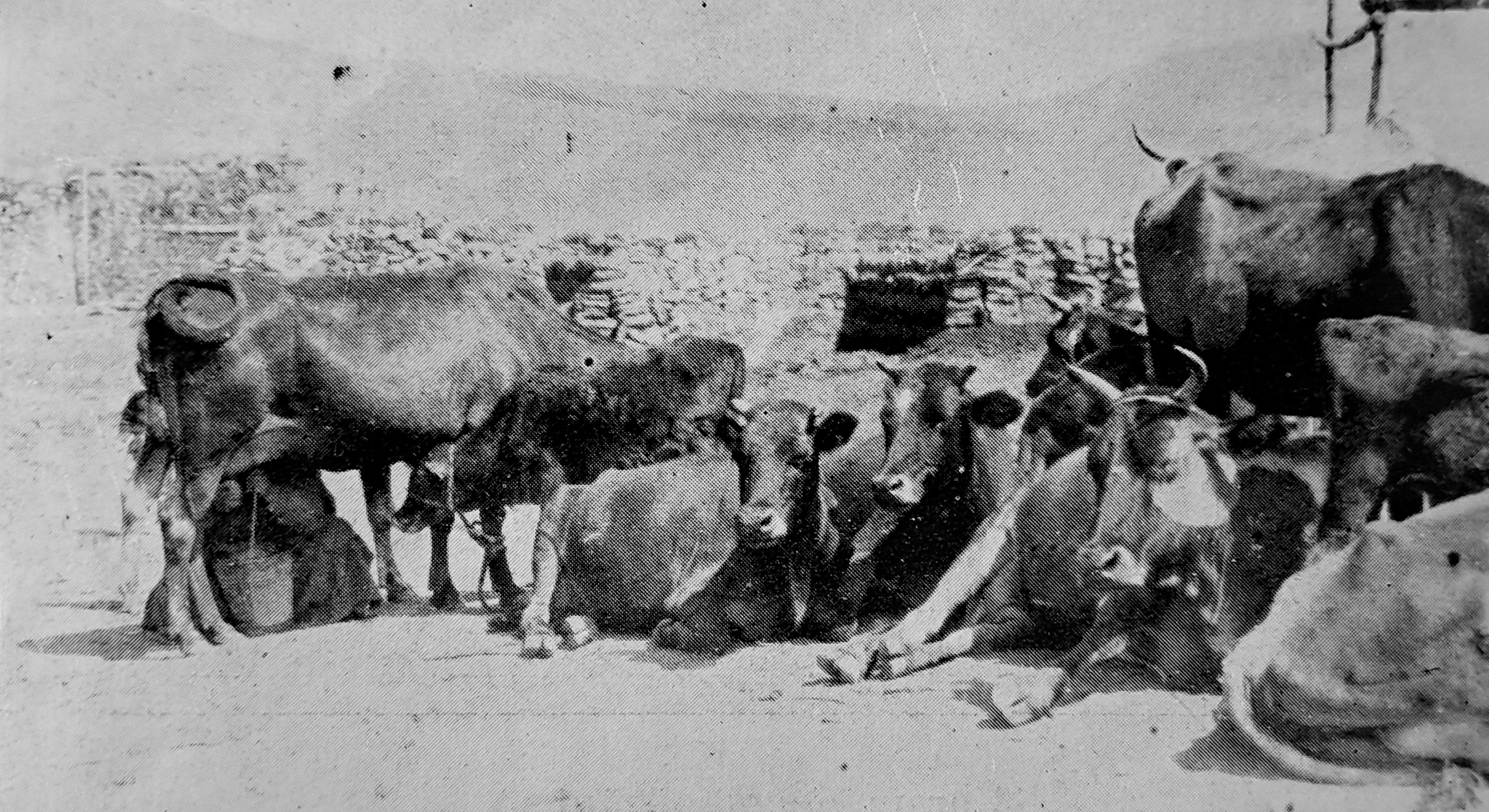
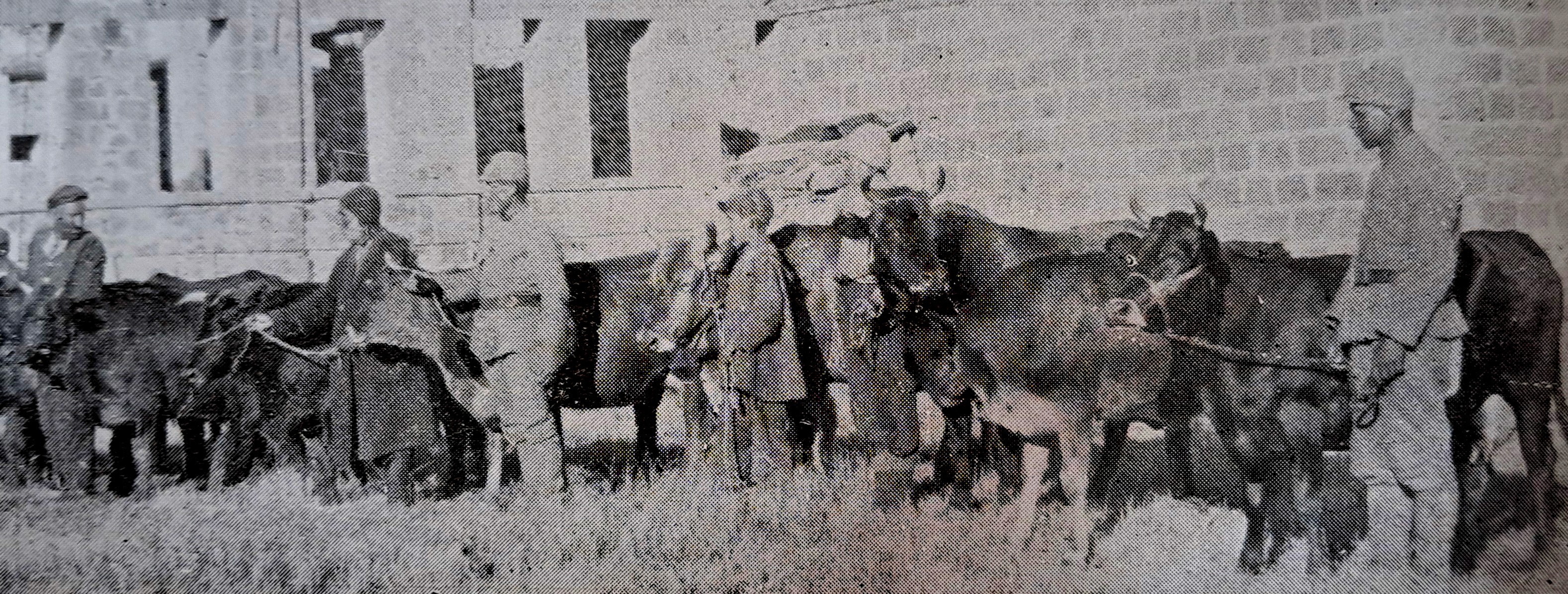
Cattle contest, 1930s (Left: Original, Right: AI Reproduction). Source: Üresin, Ekrem Rüştü. Kars Sütçülüğü Hakkında Tetkikler. Ankara: Ankara Yüksek Ziraat Enstitüsü, 1936.
Cattle contest, 1930s (Top: Original, Bottom: AI Reproduction). Source: Üresin, Ekrem Rüştü. Kars Sütçülüğü Hakkında Tetkikler. Ankara: Ankara Yüksek Ziraat Enstitüsü, 1936.
Montofon (Brown Swiss)
Montofon
(Brown Swiss)
Montofon
(Brown Swiss)
Montofon (Brown Swiss)
Originating from Switzerland, the Montofon, or Brown Swiss, is a world-renowned dairy cattle breed. This large-bodied, brown-colored breed is valued for both milk and meat production due to its strong muscle structure and high live weight. With its resistance to diseases, it easily adapts to different climates. It can produce over 6,000 liters of milk in one lactation period. This milk, with an average of 4% fat and 3.5% protein, is highly suitable for cheese production thanks to its high kappa-casein B content. In Turkey, it has been crossbred with Grey cattle to develop local varieties known as the "Karacabey Montofonu."
Originating from Switzerland, the Montofon, or Brown Swiss, is a world-renowned dairy cattle breed. This large-bodied, brown-colored breed is valued for both milk and meat production due to its strong muscle structure and high live weight. With its resistance to diseases, it easily adapts to different climates. It can produce over 6,000 liters of milk in one lactation period. This milk, with an average of 4% fat and 3.5% protein, is highly suitable for cheese production thanks to its high kappa-casein B content. In Turkey, it has been crossbred with Grey cattle to develop local varieties known as the "Karacabey Montofonu."
Originating from Switzerland, the Montofon, or Brown Swiss, is a world-renowned dairy cattle breed. This large-bodied, brown-colored breed is valued for both milk and meat production due to its strong muscle structure and high live weight. With its resistance to diseases, it easily adapts to different climates. It can produce over 6,000 liters of milk in one lactation period. This milk, with an average of 4% fat and 3.5% protein, is highly suitable for cheese production thanks to its high kappa-casein B content. In Turkey, it has been crossbred with Grey cattle to develop local varieties known as the "Karacabey Montofonu."
Simental
Simental
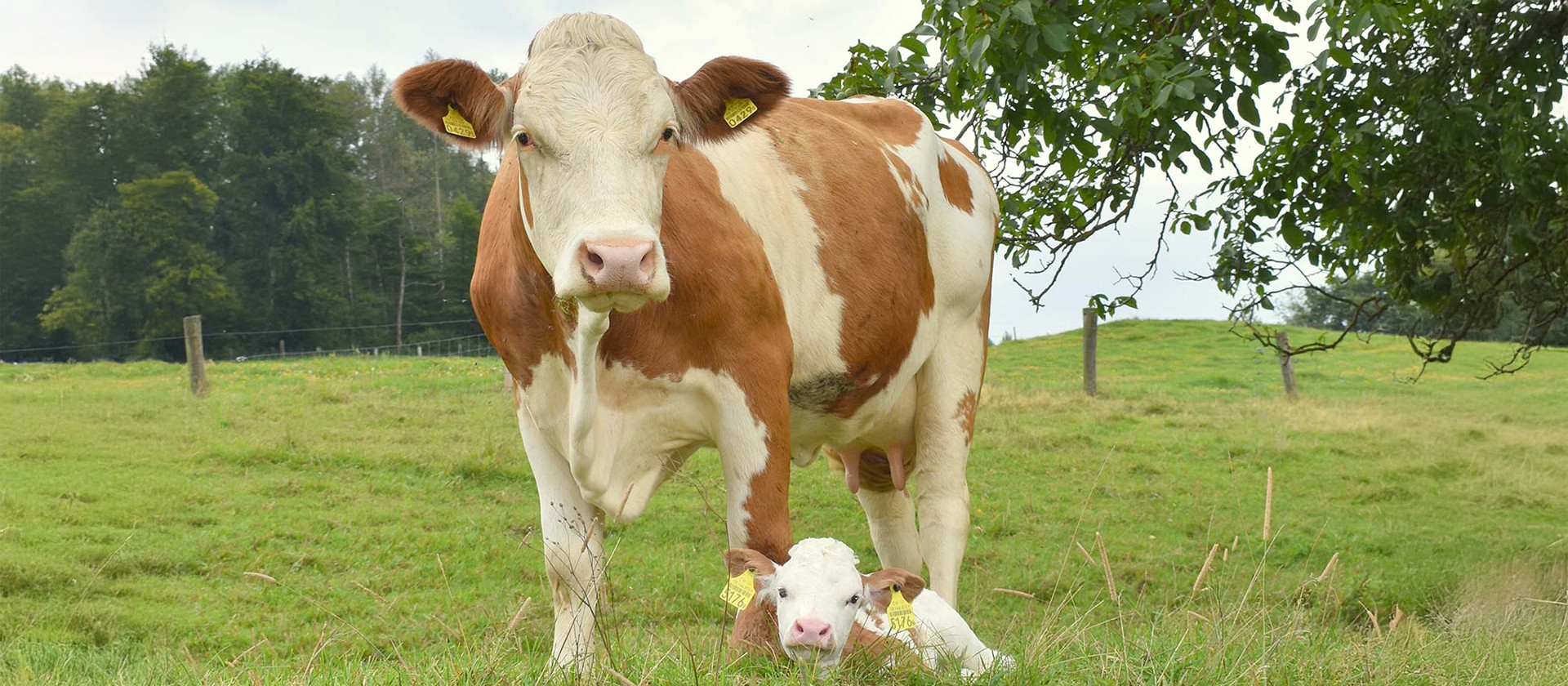
The Simental (Fleckvieh), originating from Switzerland and Austria, is a cattle breed known for its red-and-white piebald coats. It is recognized as the second most common large cattle breed in the world. Simentals are notable for their strong body structures and high yield potential. Females can reach weights of 600-900 kg, while males can reach 1100-1400 kg. They can produce up to 6,500 liters of milk in one lactation period. Their milk contains 4.2% fat and 3.5% protein. They can achieve a daily live weight gain of 1350-1600 grams and show high performance with a 60% meat yield. Simentals can comfortably live in the harsh conditions of Boğatepe, withstanding temperatures as low as -20°C.
The Simental (Fleckvieh), originating from Switzerland and Austria, is a cattle breed known for its red-and-white piebald coats. It is recognized as the second most common large cattle breed in the world. Simentals are notable for their strong body structures and high yield potential. Females can reach weights of 600-900 kg, while males can reach 1100-1400 kg. They can produce up to 6,500 liters of milk in one lactation period. Their milk contains 4.2% fat and 3.5% protein. They can achieve a daily live weight gain of 1350-1600 grams and show high performance with a 60% meat yield. Simentals can comfortably live in the harsh conditions of Boğatepe, withstanding temperatures as low as -20°C.
Our Crossbreeds
Our Crossbreeds
In addition to these three main breeds, Boğatepe's livestock population has been enriched over the years through crossbreeding efforts. Our crossbred animals, developed by combining the wisdom of our ancestors with modern breeding methods, carry both the hardiness of local breeds and the productivity of foreign ones. These animals are living symbols of both the labor of the past and the hope for the future.
In addition to these three main breeds, Boğatepe's livestock population has been enriched over the years through crossbreeding efforts. Our crossbred animals, developed by combining the wisdom of our ancestors with modern breeding methods, carry both the hardiness of local breeds and the productivity of foreign ones. These animals are living symbols of both the labor of the past and the hope for the future.
In addition to these three main breeds, Boğatepe's livestock population has been enriched over the years through crossbreeding efforts. Our crossbred animals, developed by combining the wisdom of our ancestors with modern breeding methods, carry both the hardiness of local breeds and the productivity of foreign ones. These animals are living symbols of both the labor of the past and the hope for the future.




© Boğatepe Çevre ve Yaşam Derneği 2025
36002 Boğatepe/Kars Merkez/Kars
© Boğatepe Çevre ve Yaşam Derneği 2025
36002 Boğatepe/Kars Merkez/Kars
© Boğatepe Çevre ve Yaşam Derneği 2025
36002 Boğatepe/Kars Merkez/Kars
© Boğatepe Çevre ve Yaşam Derneği 2025
36002 Boğatepe/Kars Merkez/Kars