All Natural:

Our Registered Producers

All Natural:

Our Registered Producers

All Natural:

Our Registered Producers

All Natural:

Our Registered Producers

We care about preserving and promoting local production and gastronomic heritage. Our association's research, inventory studies, geographical indication projects, and cheese route programs document the region's cheese varieties and production techniques from both academic and social perspectives.


On this page, you can discover the certified producers of Boğatepe cheeses, their production methods, and the work being done.
REGISTERED PRODUCERS

REGISTERED PRODUCERS

Boğatepe Gravyer

Boğatepe Gravyer

Boğatepe Gravyer

Boğatepe Gravyer

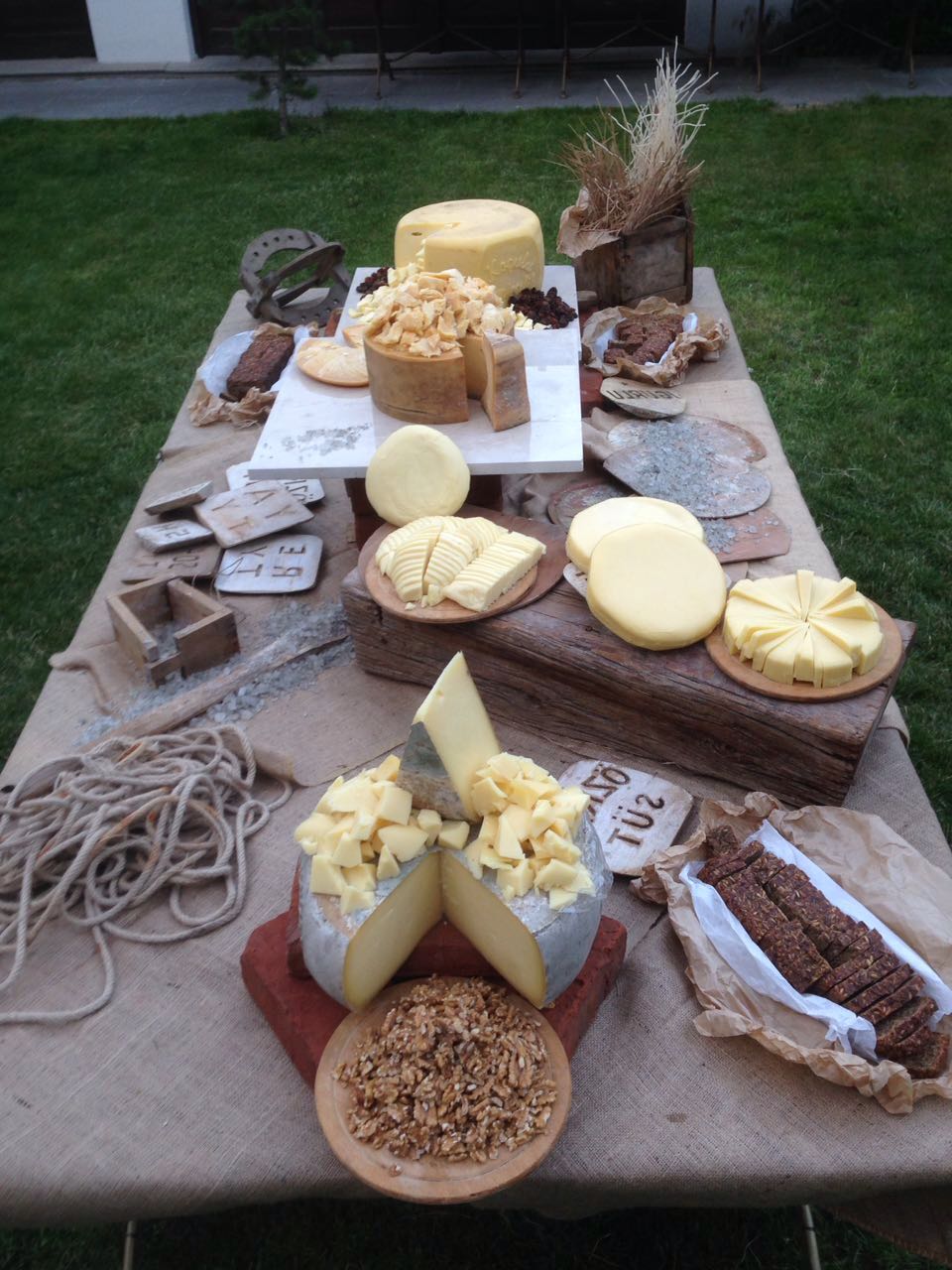
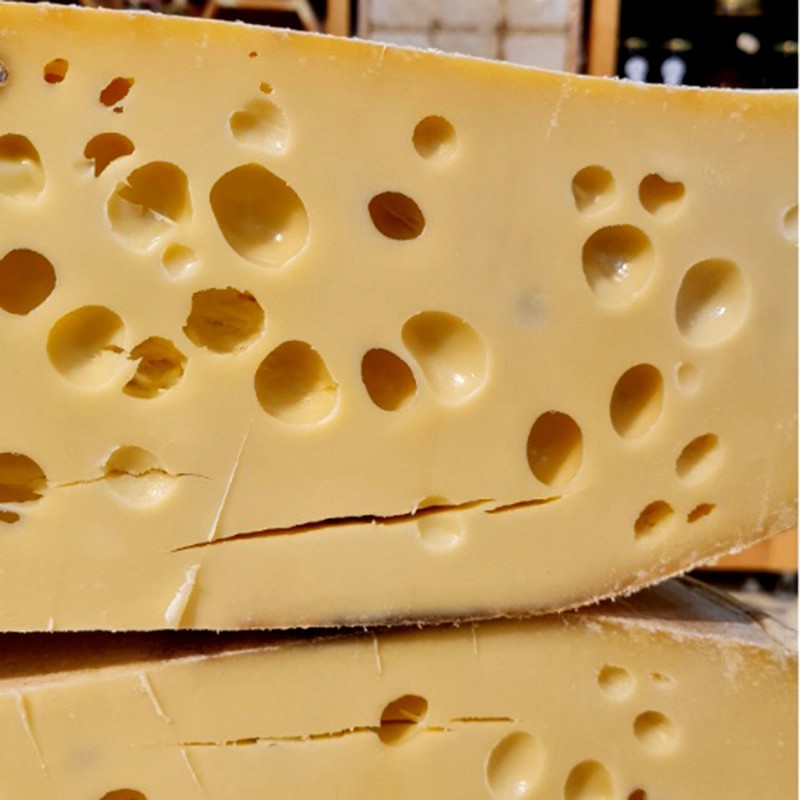
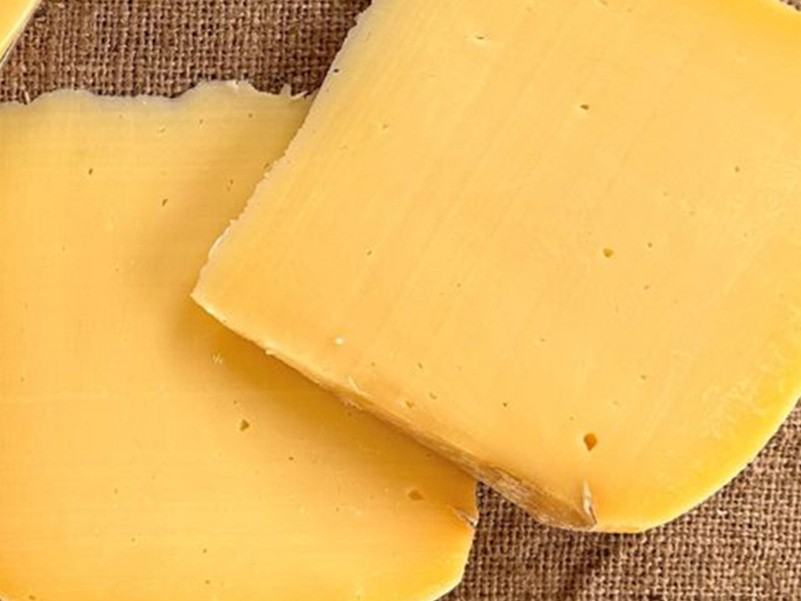
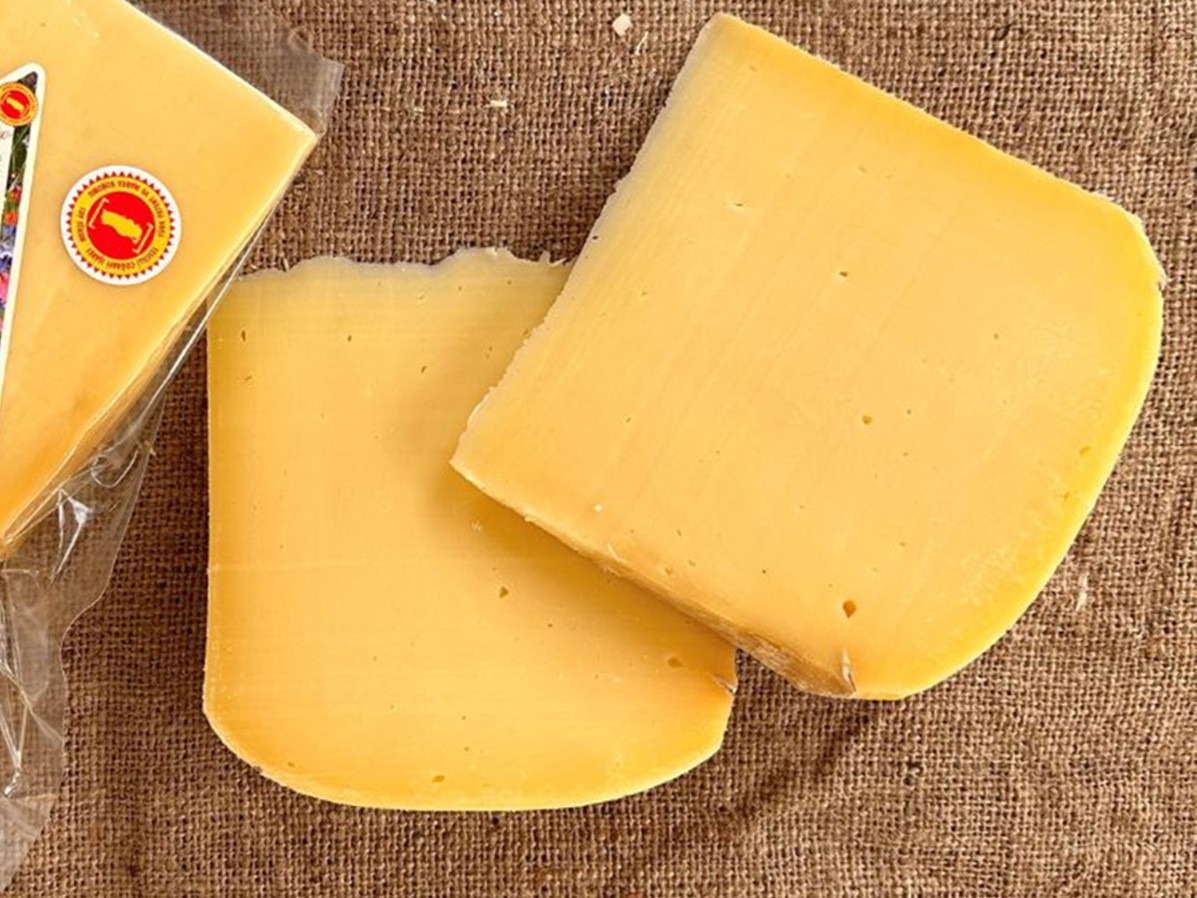
Known for its unique aroma and holed texture, Boğatepe Gravyer cheese is protected by Slow Food with a “Presidium” certificate and involves a very laborious and traditional production process.
MORE

MORE

Kars Kaşar

Kars Kaşar

Kars Kaşar

Kars Kaşar

Kars Kaşar cheese, one of Turkey's geographically indicated cheeses, stands out for its unique aroma and supple texture. It is a traditional product that can be consumed both fresh and aged.

Kars Kaşar cheese, one of Turkey's geographically indicated cheeses, stands out for its unique aroma and supple texture. It is a traditional product that can be consumed both fresh and aged.

Kars Kaşar cheese, one of Turkey's geographically indicated cheeses, stands out for its unique aroma and supple texture. It is a traditional product that can be consumed both fresh and aged.

MORE

MORE

Our Work to Protect, Research, and Promote Boğatepe and Kars Cheeses

Our Work to Protect, Research, and Promote Boğatepe and Kars Cheeses

Our Work to Protect, Research, and Promote Boğatepe and Kars Cheeses

Boğatepe and Kars cheeses stand out as an important part of both local culture and gastronomic heritage thanks to years of research, protection, and promotion efforts. With the Ecomuseum Zavot project implemented in 2010-2011, the old cheese dairy in the village was restored and turned into Turkey's first thematic cheese museum. This museum became both a center showcasing the village's cultural heritage and a space enabling women's economic empowerment. The 2013 study on the Geographical Indication of Traditional Kars Cheese documented the traditional production processes of fresh and aged Kars Cheese with scientific data, securing legal protection for the product. The Research on the History of Kars Cheese Making project, carried out between 2013 and 2015, documented the region's cheese-making heritage in its social, cultural, and economic dimensions, contributing to the publication of the book The History of Kars Cheese Making from the Alps to the Caucasus” and the development of eco-cultural tourism in the region.

During the 2014-2016 period, the Farm Cheese Protection and Marketing project developed international collaborations and marketing strategies for traditional cheeses, while Noah's Ark - Boğatepe Gravyeri Presidium Project protected Boğatepe Gravyer cheese with Slow Food Presidium certification, giving it a recognized cultural identity in the global gastronomy world. The Kars-Boğatepe Cheese Festival and Kars Kaşarı Tasting Training sessions, organized since 2016, have been of great importance in promoting local cheeses and raising consumer awareness. In 2017, the Geographically Indicated Kars Kashar Tasting and Panelist Training program trained local experts to carry out quality control of Kars Kashar, ensuring the preservation of the cheese's standard.

In 2020-2021, the Kars Cheese Route project promoted the region's tourism potential through its cheese-making tradition. The 2019 Inventory Study of Eastern Anatolian Local Cheeses and Producers created detailed databases on producers and dairies in 14 provinces, mapping the region's cheeses. All these efforts contribute to local development while preserving the history, production knowledge, and cultural values of Boğatepe and Kars cheeses, and provide significant support for their promotion nationally and internationally.

Boğatepe and Kars cheeses stand out as an important part of both local culture and gastronomic heritage thanks to years of research, protection, and promotion efforts. With the Ecomuseum Zavot project implemented in 2010-2011, the old cheese dairy in the village was restored and turned into Turkey's first thematic cheese museum. This museum became both a center showcasing the village's cultural heritage and a space enabling women's economic empowerment. The 2013 study on the Geographical Indication of Traditional Kars Cheese documented the traditional production processes of fresh and aged Kars Cheese with scientific data, securing legal protection for the product. The Research on the History of Kars Cheese Making project, carried out between 2013 and 2015, documented the region's cheese-making heritage in its social, cultural, and economic dimensions, contributing to the publication of the book The History of Kars Cheese Making from the Alps to the Caucasus” and the development of eco-cultural tourism in the region.

During the 2014-2016 period, the Farm Cheese Protection and Marketing project developed international collaborations and marketing strategies for traditional cheeses, while Noah's Ark - Boğatepe Gravyeri Presidium Project protected Boğatepe Gravyer cheese with Slow Food Presidium certification, giving it a recognized cultural identity in the global gastronomy world. The Kars-Boğatepe Cheese Festival and Kars Kaşarı Tasting Training sessions, organized since 2016, have been of great importance in promoting local cheeses and raising consumer awareness. In 2017, the Geographically Indicated Kars Kashar Tasting and Panelist Training program trained local experts to carry out quality control of Kars Kashar, ensuring the preservation of the cheese's standard.

In 2020-2021, the Kars Cheese Route project promoted the region's tourism potential through its cheese-making tradition. The 2019 Inventory Study of Eastern Anatolian Local Cheeses and Producers created detailed databases on producers and dairies in 14 provinces, mapping the region's cheeses. All these efforts contribute to local development while preserving the history, production knowledge, and cultural values of Boğatepe and Kars cheeses, and provide significant support for their promotion nationally and internationally.

Boğatepe and Kars cheeses stand out as an important part of both local culture and gastronomic heritage thanks to years of research, protection, and promotion efforts. With the Ecomuseum Zavot project implemented in 2010-2011, the old cheese dairy in the village was restored and turned into Turkey's first thematic cheese museum. This museum became both a center showcasing the village's cultural heritage and a space enabling women's economic empowerment. The 2013 study on the Geographical Indication of Traditional Kars Cheese documented the traditional production processes of fresh and aged Kars Cheese with scientific data, securing legal protection for the product. The Research on the History of Kars Cheese Making project, carried out between 2013 and 2015, documented the region's cheese-making heritage in its social, cultural, and economic dimensions, contributing to the publication of the book The History of Kars Cheese Making from the Alps to the Caucasus” and the development of eco-cultural tourism in the region.

During the 2014-2016 period, the Farm Cheese Protection and Marketing project developed international collaborations and marketing strategies for traditional cheeses, while Noah's Ark - Boğatepe Gravyeri Presidium Project protected Boğatepe Gravyer cheese with Slow Food Presidium certification, giving it a recognized cultural identity in the global gastronomy world. The Kars-Boğatepe Cheese Festival and Kars Kaşarı Tasting Training sessions, organized since 2016, have been of great importance in promoting local cheeses and raising consumer awareness. In 2017, the Geographically Indicated Kars Kashar Tasting and Panelist Training program trained local experts to carry out quality control of Kars Kashar, ensuring the preservation of the cheese's standard.

In 2020-2021, the Kars Cheese Route project promoted the region's tourism potential through its cheese-making tradition. The 2019 Inventory Study of Eastern Anatolian Local Cheeses and Producers created detailed databases on producers and dairies in 14 provinces, mapping the region's cheeses. All these efforts contribute to local development while preserving the history, production knowledge, and cultural values of Boğatepe and Kars cheeses, and provide significant support for their promotion nationally and internationally.

Boğatepe Gravyer

Boğatepe Gravyer

Boğatepe Gravyer

Milk Selection and Preparation

The production of Boğatepe Gravyer cheese begins with the fresh milk of cows, particularly of the Zavot breed, grazing in the high-altitude pastures of Kars, usually between May and July. This milk has a high fat content of around 4%, which directly affects the quality of the cheese. It is critically important that the milk used in production is fresh, unspoiled, and free of any foreign substances.

Curdling (Fermentation)

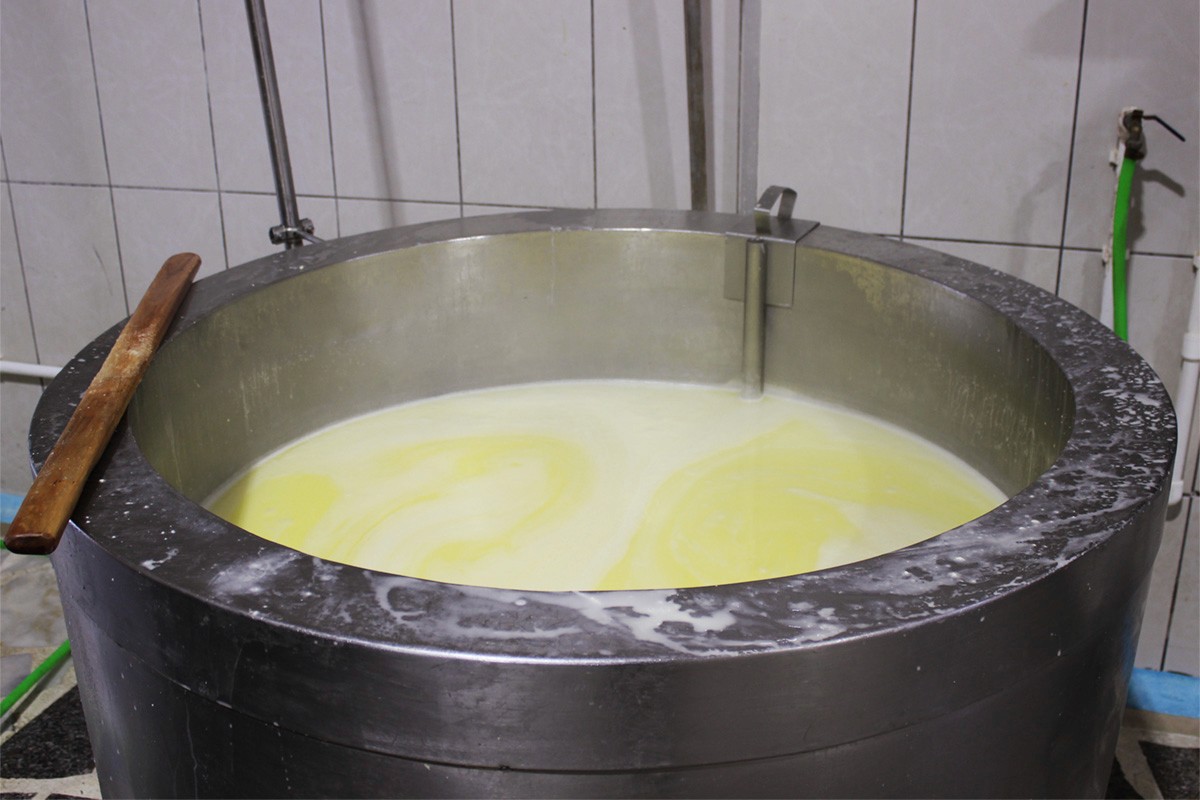
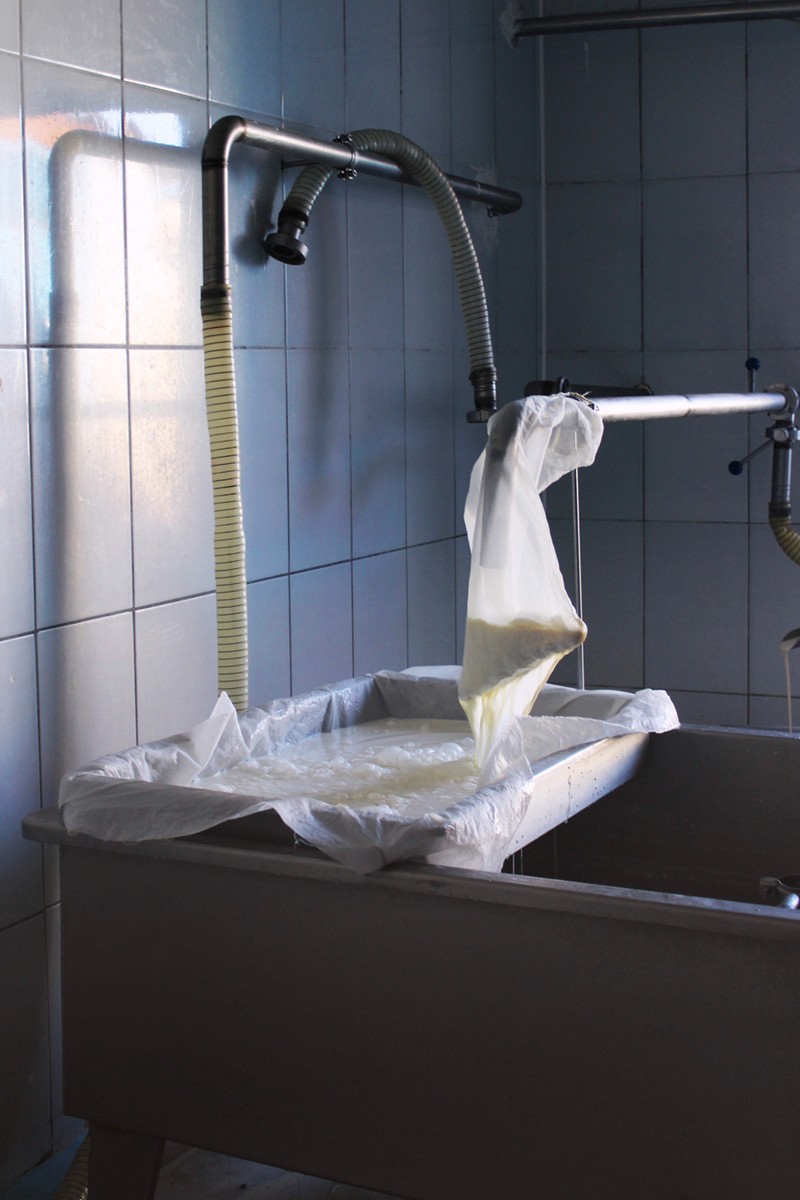
Freshly milked raw milk is transferred to locally made copper cauldrons and gently heated to between 32–35°C. Once the desired temperature is reached, the milk is curdled using natural rennet obtained from the stomach of a calf or lamb that has not yet begun to graze. In some cases, to achieve a higher-quality cheese, a small piece of aged gravyer cheese may also be added during the curdling process. The milk coagulates within approximately 45 minutes, forming the cheese curd known as teleme.

Breaking and Cooking the Curd

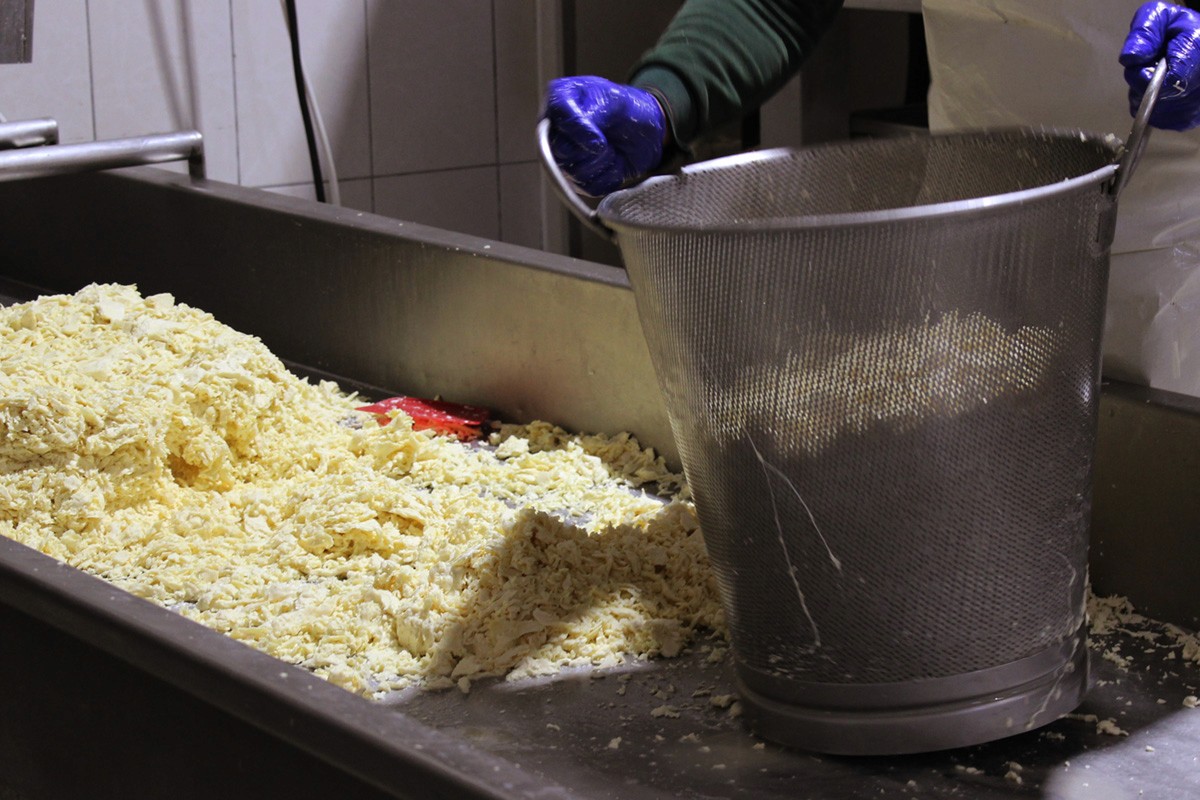
The resulting curd is broken down with wooden or wire cutters until it reaches the size of rice grains. After resting for about 10 minutes, the curd is reheated and cooked for 40–45 minutes at approximately 57°C while being stirred.

Milk Selection and Preparation

The production of Boğatepe Gravyer cheese begins with the fresh milk of cows, particularly of the Zavot breed, grazing in the high-altitude pastures of Kars, usually between May and July. This milk has a high fat content of around 4%, which directly affects the quality of the cheese. It is critically important that the milk used in production is fresh, unspoiled, and free of any foreign substances.

Curdling (Fermentation)

Freshly milked raw milk is transferred to locally made copper cauldrons and gently heated to between 32–35°C. Once the desired temperature is reached, the milk is curdled using natural rennet obtained from the stomach of a calf or lamb that has not yet begun to graze. In some cases, to achieve a higher-quality cheese, a small piece of aged gravyer cheese may also be added during the curdling process. The milk coagulates within approximately 45 minutes, forming the cheese curd known as teleme.

Breaking and Cooking the Curd

The resulting curd is broken down with wooden or wire cutters until it reaches the size of rice grains. After resting for about 10 minutes, the curd is reheated and cooked for 40–45 minutes at approximately 57°C while being stirred.

Milk Selection and Preparation

The production of Boğatepe Gravyer cheese begins with the fresh milk of cows, particularly of the Zavot breed, grazing in the high-altitude pastures of Kars, usually between May and July. This milk has a high fat content of around 4%, which directly affects the quality of the cheese. It is critically important that the milk used in production is fresh, unspoiled, and free of any foreign substances.

Curdling (Fermentation)

Freshly milked raw milk is transferred to locally made copper cauldrons and gently heated to between 32–35°C. Once the desired temperature is reached, the milk is curdled using natural rennet obtained from the stomach of a calf or lamb that has not yet begun to graze. In some cases, to achieve a higher-quality cheese, a small piece of aged gravyer cheese may also be added during the curdling process. The milk coagulates within approximately 45 minutes, forming the cheese curd known as teleme.

Breaking and Cooking the Curd

The resulting curd is broken down with wooden or wire cutters until it reaches the size of rice grains. After resting for about 10 minutes, the curd is reheated and cooked for 40–45 minutes at approximately 57°C while being stirred.

Pressing and Resting

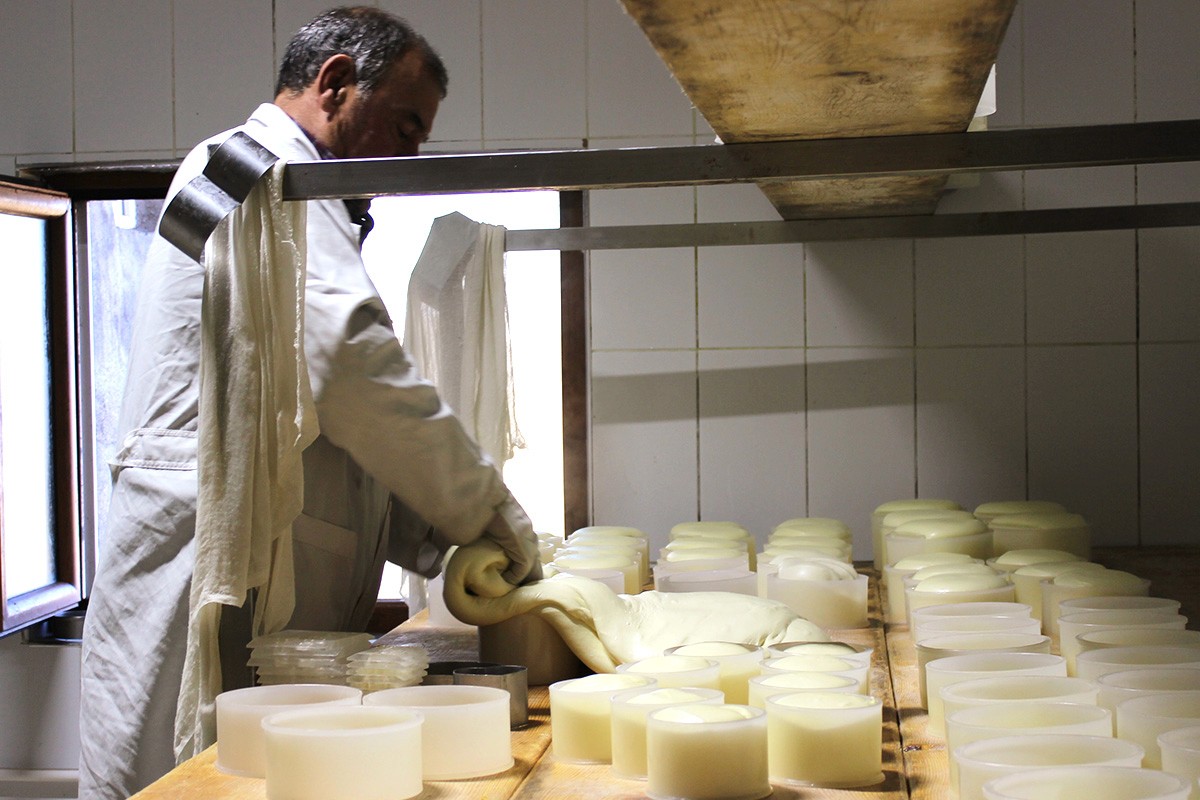
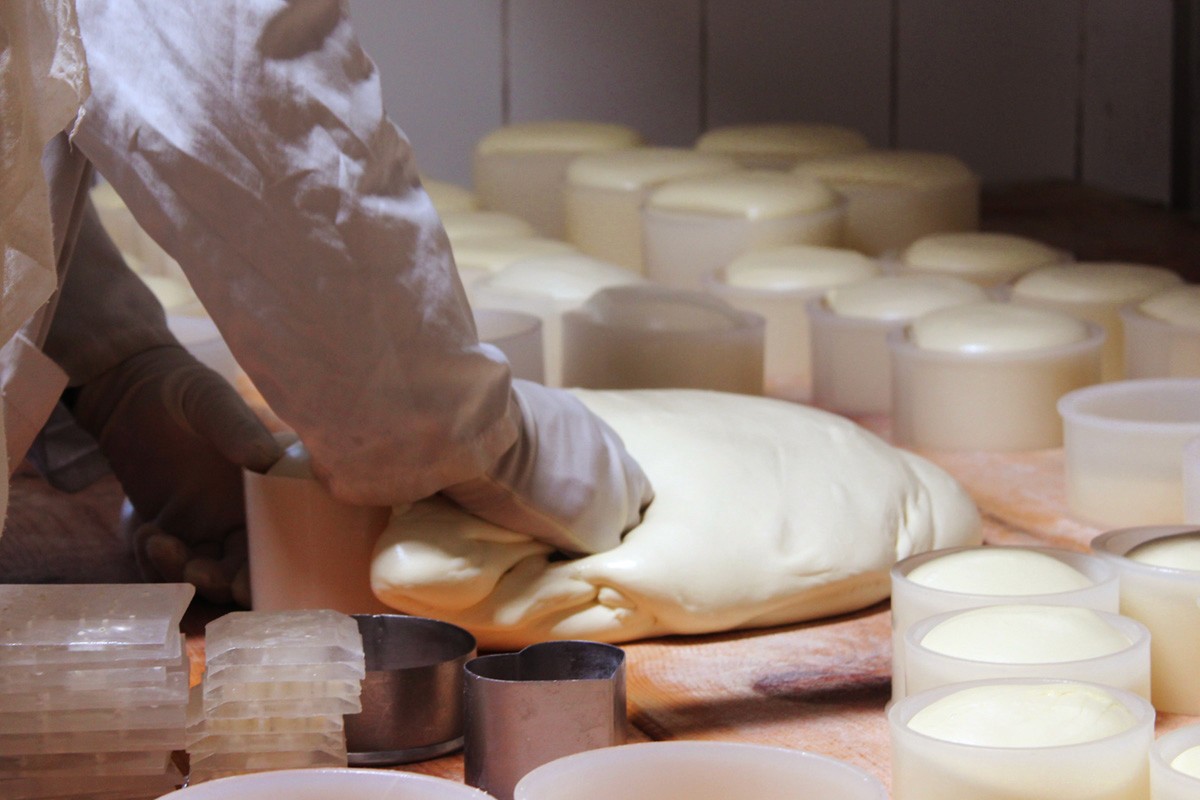
Once cooked, the cheese curd is placed in special cloths called cendere and placed in molded frames. Weights are placed on top of the cheese in the molds to begin the pressing process. During this process, which lasts about 24 hours, the cheese wheels are turned over several times. The wheels removed from pressing are rested for 24 hours in places called observation rooms.

Salting Stages

Following the resting period, the top and bottom surfaces of the wheels are salted and left for an additional day. This is followed by a dry-salting process lasting five days, during which both sides of the wheels are salted daily. After dry salting, the cheeses continue to be salted by resting in brine-filled pools for approximately 5–7 days.

Maturation (Sauna and Cold Room)

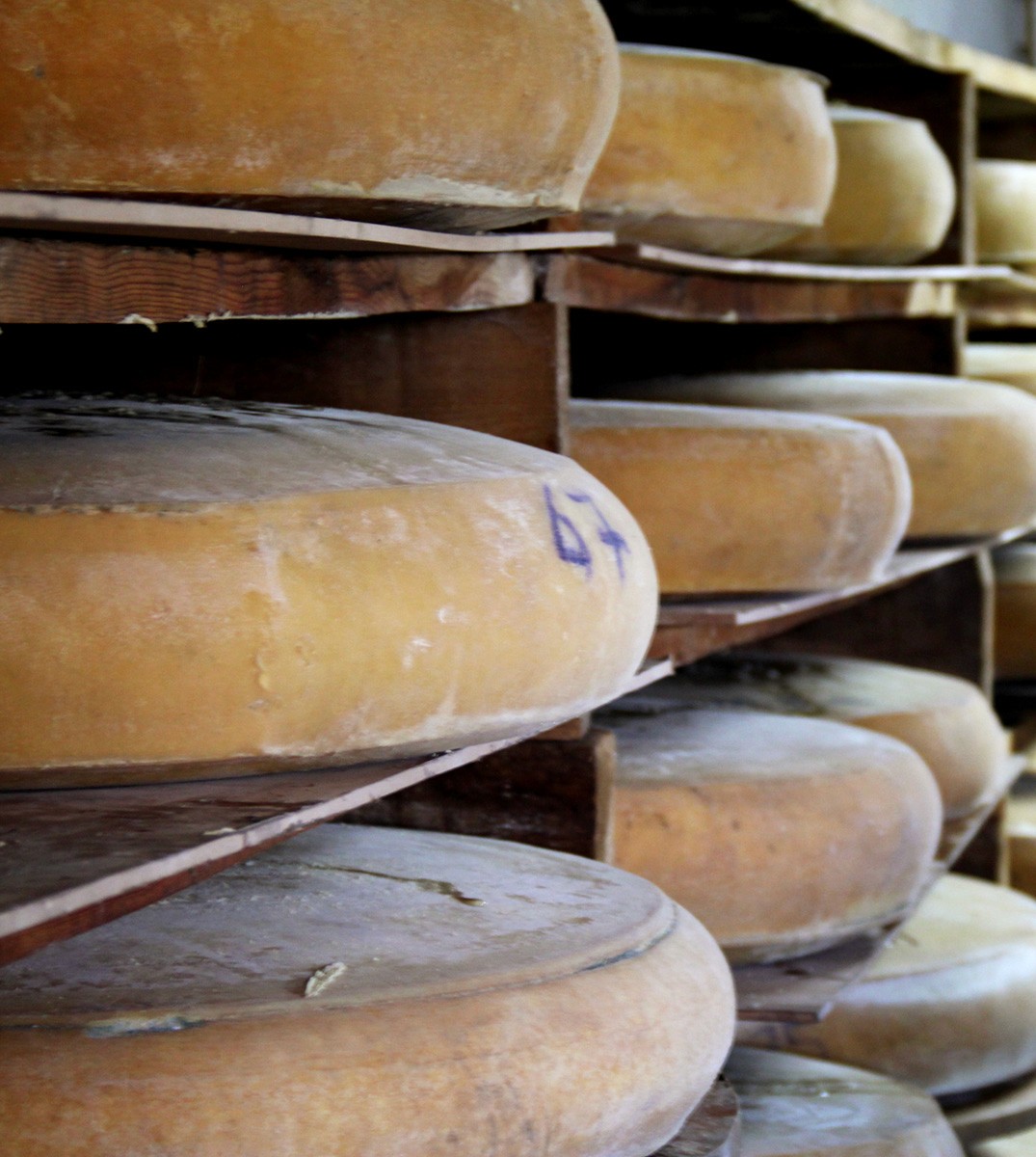
Once the salting process is complete, the gravyer wheels are taken to rooms known as saunas for the first stage of maturation. These rooms have a temperature of 28–32°C and a humidity level of 85–90%. The cheeses are left on wooden shelves for 3–4 weeks. During this process, the cheese develops its famous holey structure (pores) and becomes rinded. During this stage, the cheese masters regularly turn the wheels and wipe them with salt water to promote sweating (removal of excess fat and water).

After the sauna stage, the cheeses are transferred to underground cold storage rooms called patvals for the second and final stage of maturation. Here, they are matured for another 90 to 150 days (approximately 3–5 months) at a temperature of 12–13°C. At the end of this arduous process, which lasts at least 6 months in total, Boğatepe Gravyer cheese is ready for consumption and can be stored for more than 3 years.
Kars Kaşar

Kars Kaşar

Kars Kaşar

Milk Selection and Preparation

Kars Kaşar cheese is mostly produced between May and September using milk from cows grazing on the high-altitude pastures of Kars and Ardahan. This milk generally has a fat content of 3.5–4% and directly affects the flavor of the cheese. The milk used must be fresh, clean, and unspoiled. The milk is first filtered, then pasteurized and cooled to 32–34°C.

Culturing

Starter culture and a little calcium chloride are added to the milk heated to the culturing temperature. Cheese rennet (usually rennet obtained from a lamb's stomach or commercial rennet) is then added. Within approximately 45–60 minutes, the milk curdles and curds form.

Breaking and Heating the Curds

The curds are broken into pea-sized pieces with wire knives. The cut curds are rested for a few minutes, then slowly heated to 36–38°C while being stirred. This allows the whey to be released from the curd.

Resting the Curd

After the whey has been separated, the curd is cut into blocks and rested at room temperature for several hours. During this stage, the acidity of the curd increases, making it suitable for cooking.

Boiling and Kneading

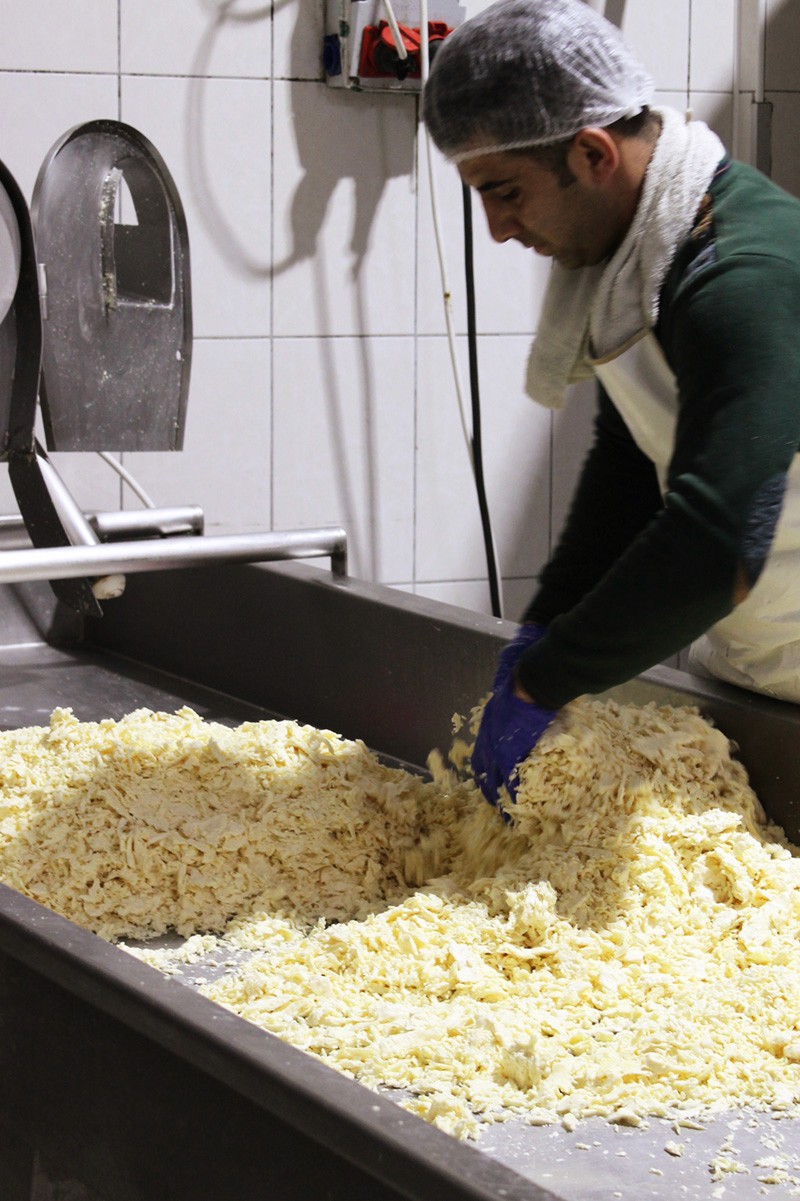
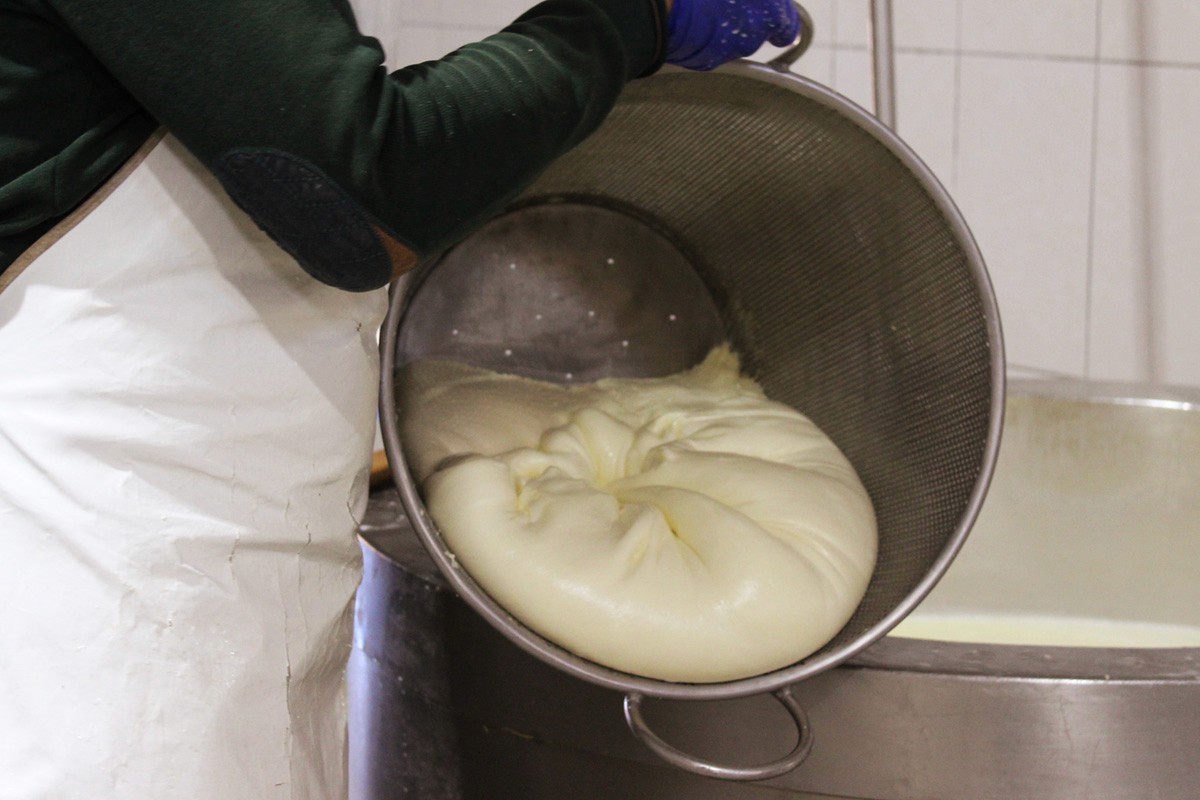
Once sufficiently matured, the curd is cut into thin slices and boiled in hot salted water (approximately 72–75°C). During boiling, the curd is kneaded into an elastic and smooth dough. This gives Kars Kaşar cheese its characteristic elastic texture.

Milk Selection and Preparation

Kars Kaşar cheese is mostly produced between May and September using milk from cows grazing on the high-altitude pastures of Kars and Ardahan. This milk generally has a fat content of 3.5–4% and directly affects the flavor of the cheese. The milk used must be fresh, clean, and unspoiled. The milk is first filtered, then pasteurized and cooled to 32–34°C.

Culturing

Starter culture and a little calcium chloride are added to the milk heated to the culturing temperature. Cheese rennet (usually rennet obtained from a lamb's stomach or commercial rennet) is then added. Within approximately 45–60 minutes, the milk curdles and curds form.

Breaking and Heating the Curds

The curds are broken into pea-sized pieces with wire knives. The cut curds are rested for a few minutes, then slowly heated to 36–38°C while being stirred. This allows the whey to be released from the curd.

Resting the Curd

After the whey has been separated, the curd is cut into blocks and rested at room temperature for several hours. During this stage, the acidity of the curd increases, making it suitable for cooking.

Boiling and Kneading

Once sufficiently matured, the curd is cut into thin slices and boiled in hot salted water (approximately 72–75°C). During boiling, the curd is kneaded into an elastic and smooth dough. This gives Kars Kaşar cheese its characteristic elastic texture.

Milk Selection and Preparation

Kars Kaşar cheese is mostly produced between May and September using milk from cows grazing on the high-altitude pastures of Kars and Ardahan. This milk generally has a fat content of 3.5–4% and directly affects the flavor of the cheese. The milk used must be fresh, clean, and unspoiled. The milk is first filtered, then pasteurized and cooled to 32–34°C.

Culturing

Starter culture and a little calcium chloride are added to the milk heated to the culturing temperature. Cheese rennet (usually rennet obtained from a lamb's stomach or commercial rennet) is then added. Within approximately 45–60 minutes, the milk curdles and curds form.

Breaking and Heating the Curds

The curds are broken into pea-sized pieces with wire knives. The cut curds are rested for a few minutes, then slowly heated to 36–38°C while being stirred. This allows the whey to be released from the curd.

Resting the Curd

After the whey has been separated, the curd is cut into blocks and rested at room temperature for several hours. During this stage, the acidity of the curd increases, making it suitable for cooking.

Boiling and Kneading

Once sufficiently matured, the curd is cut into thin slices and boiled in hot salted water (approximately 72–75°C). During boiling, the curd is kneaded into an elastic and smooth dough. This gives Kars Kaşar cheese its characteristic elastic texture.

Molding and Salting

The kneaded cheese dough is salted and pressed into molds. The cheese is left in the mold for one day, then removed from the mold and its surface is salted again. The cheese is turned regularly and the salting process is repeated for the first few days.

Maturation

After salting is complete, the cheeses are first rested for 30–40 days at 12–18°C. They are then matured in cold storage (approximately 8°C) for at least 90 days. Cheeses aged less than 90 days are called fresh Kars Kaşar, while those aged 90 days or more are called aged Kars Kaşar.

Preparation for Consumption

Fresh Kars Cheddar is light yellow in color, elastic, and has a mild milky aroma, while aged Kars Cheddar is darker yellow, firm in texture, and has an intense aroma. This cheese can be stored for years under the right conditions.

Certified Producers

Certified Producers

Certified Producers

In Boğatepe, cheese-making is more than a means of livelihood, it is an integral part of our cultural identity. Our cheeses, crafted from the milk of Zavot cows using skills passed down through generations, form one of the strongest links connecting our village to its past. For this reason, we place great importance on maintaining transparency in the production process and preserving the authenticity of their flavor.

The brands listed below are our authorized producers. Their facilities are located directly in our village, and they are committed to preserving the traditional taste heritage of certified Boğatepe Gravyeri and Kars Kaşar. 

To experience the unique flavor and quality of our geographically indicated products straight from the source, we recommend choosing these trusted brands that embody the heritage and craftsmanship of our village.

Boğatepe Altunana Gurme

Boğatepe Altunana Gurme

Boğatepe Altunana Gurme