Our Museum

Our Museum

Our Museum

Our Museum

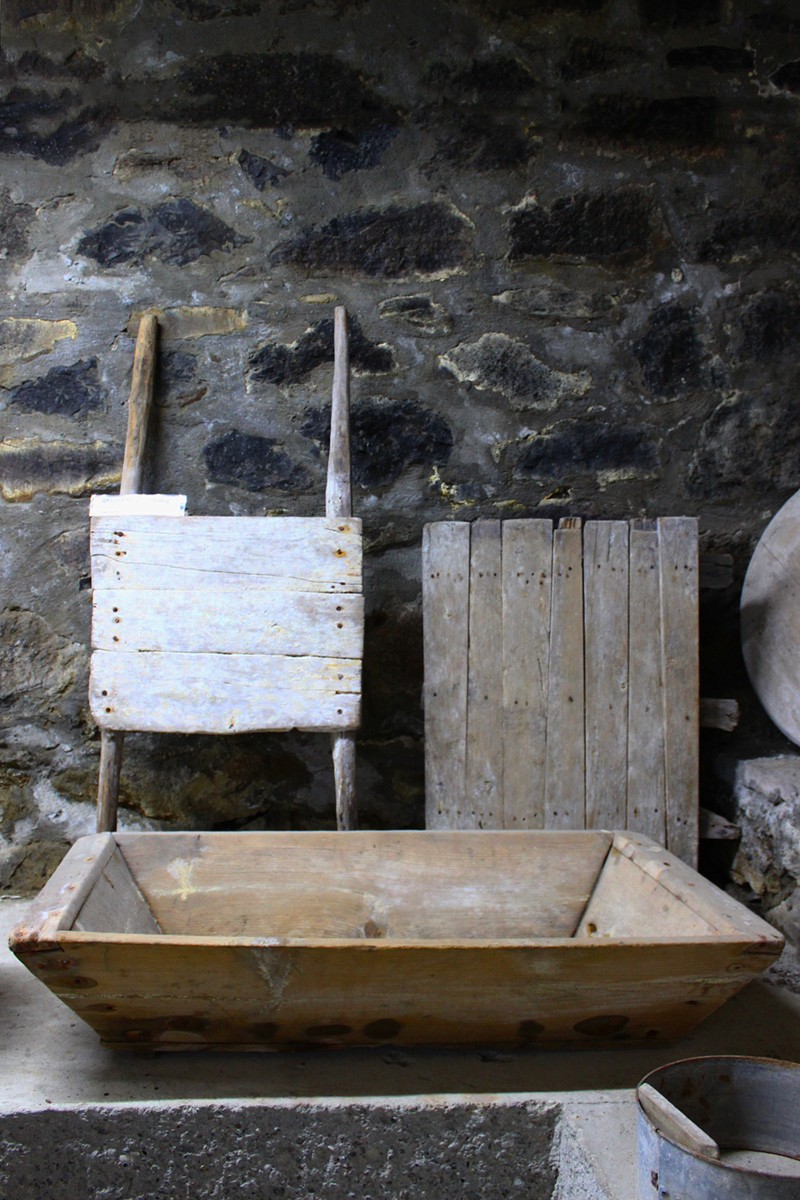
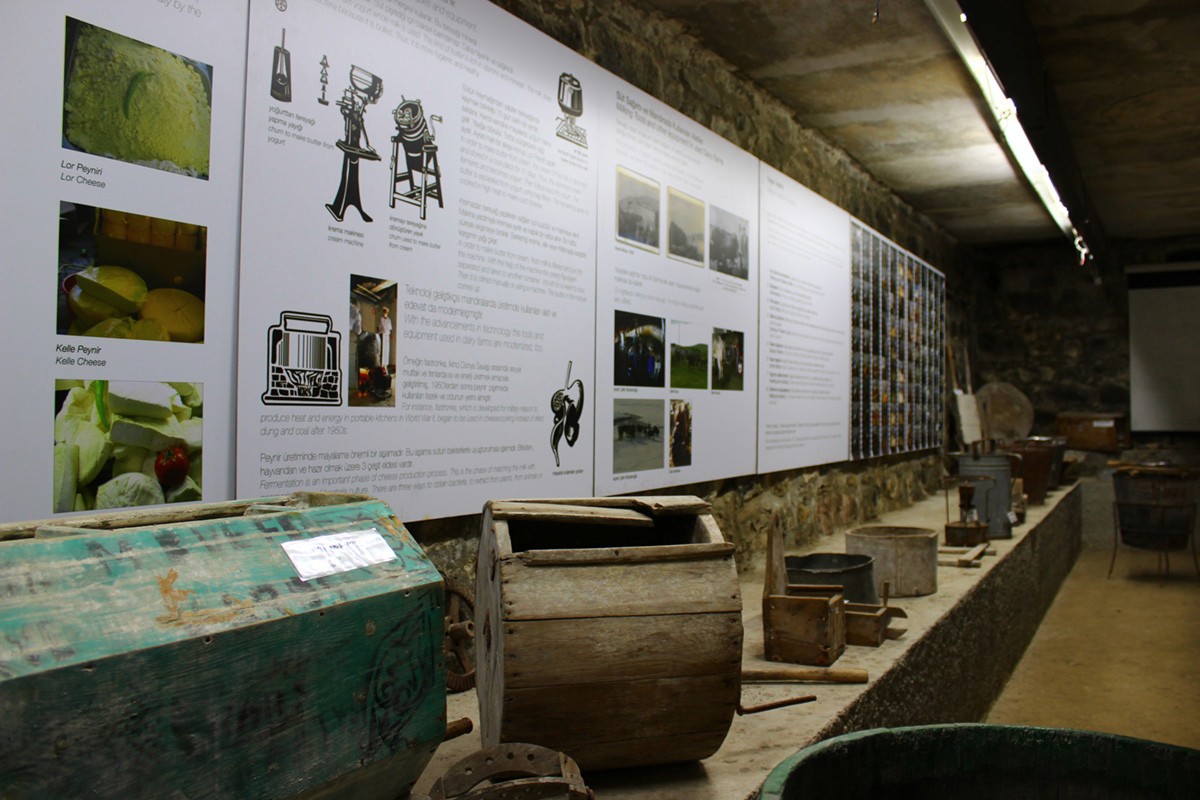
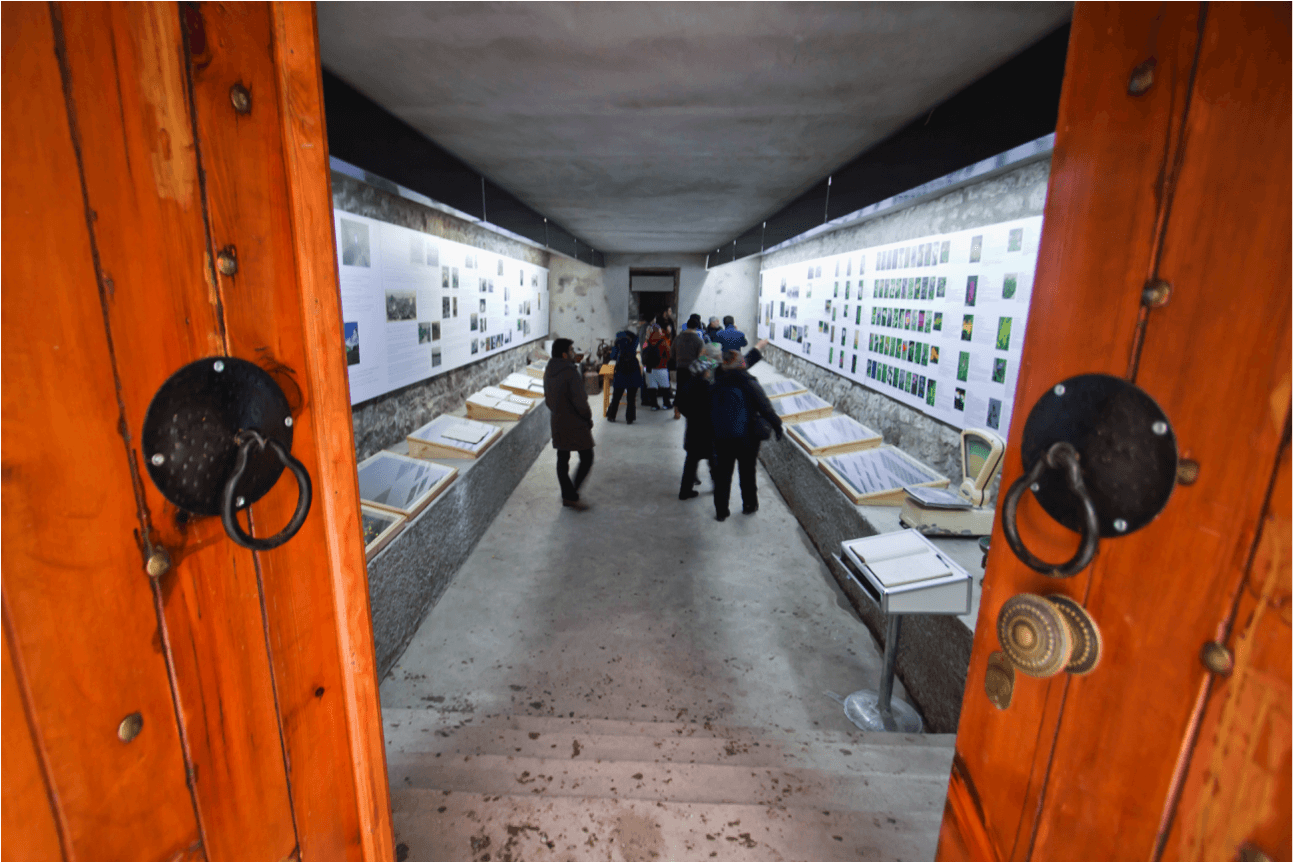
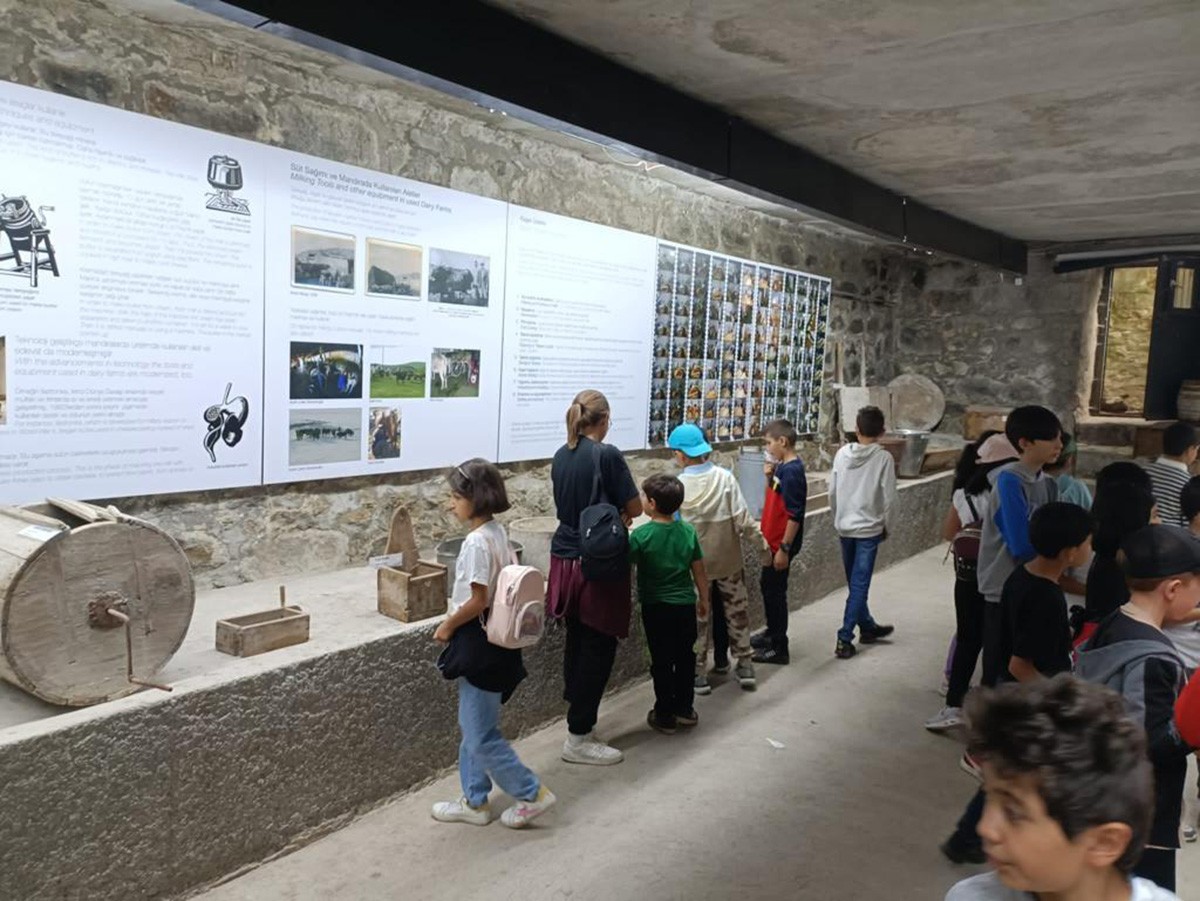
Ecomuseum Zavot was founded on a vision of sustainable living to preserve, promote, and share the cultural and natural heritage of Boğatepe. Our museum building, a former dairy, now offers a space where you can experience our village's production traditions, the history of cheesemaking, and the evolution of village life. You are invited to discover this culture and become part of the experience.

Ecomuseum Zavot was founded on a vision of sustainable living to preserve, promote, and share the cultural and natural heritage of Boğatepe. Our museum building, a former dairy, now offers a space where you can experience our village's production traditions, the history of cheesemaking, and the evolution of village life. You are invited to discover this culture and become part of the experience.

Cycle of Nature and Sustainability

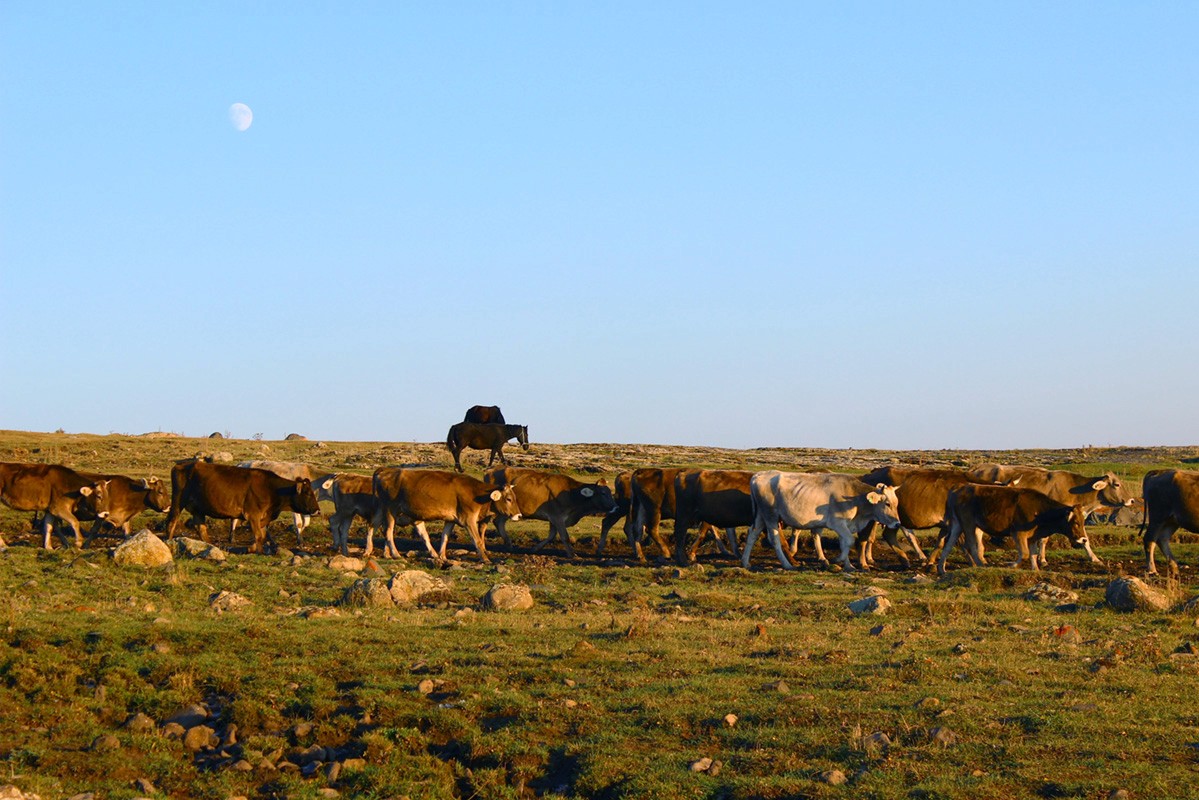
In Boğatepe, life flows with the seasonal rhythm of nature, and milk production is at the heart of this cycle. The region's unique practice of agro-pastoralism is shaped by the natural rhythm of the cows. The animals give birth in barns during the winter and are fed dry hay harvested in the summer. With the melting of the snow, herds move out to the pastures from mid-April, following a planned rotation that begins in the low-lying meadows around the village and progresses to high-altitude plateaus as summer advances. During this period, when the cows graze on hundreds of varieties of flowers and plants, their milk production peaks, and we produce our famous Boğatepe Gravyer cheese and Kars Kaşar cheese. In the autumn, as the nutritional value of the grass declines, the herds return to the village and harvested fields, and milk yield naturally decreases. In the winter months, most of the animals are pregnant, and their milking is paused to prepare for birth and lactation. The cycle begins anew with the birth of new calves. In this system, milk is used with animal welfare and the rhythm of nature as a priority: the first milk, colostrum, is left entirely for the calf, while the remaining milk is used for cheesemaking. A healthy calf ensures the future of the herd and the tradition.

In Boğatepe, life flows with the seasonal rhythm of nature, and milk production is at the heart of this cycle. The region's unique practice of agro-pastoralism is shaped by the natural rhythm of the cows. The animals give birth in barns during the winter and are fed dry hay harvested in the summer. With the melting of the snow, herds move out to the pastures from mid-April, following a planned rotation that begins in the low-lying meadows around the village and progresses to high-altitude plateaus as summer advances. During this period, when the cows graze on hundreds of varieties of flowers and plants, their milk production peaks, and we produce our famous Boğatepe Gravyer cheese and Kars Kaşar cheese. In the autumn, as the nutritional value of the grass declines, the herds return to the village and harvested fields, and milk yield naturally decreases. In the winter months, most of the animals are pregnant, and their milking is paused to prepare for birth and lactation. The cycle begins anew with the birth of new calves. In this system, milk is used with animal welfare and the rhythm of nature as a priority: the first milk, colostrum, is left entirely for the calf, while the remaining milk is used for cheesemaking. A healthy calf ensures the future of the herd and the tradition.

Cheesemaking in Boğatepe

Cheesemaking was professionalized in the late 19th century during the Tsarist Russian era. Seeking new production areas due to population growth and food demand, Swiss cheese masters came to the Caucasus at the invitation of Tsar Nicholas II. A settlement named Bazarcık on the Tbilisi-Kars post road drew attention for its ease of access and rich vegetation. The Swiss decided to produce Gruyère cheese on these plateaus, which were reminiscent of the Alps.
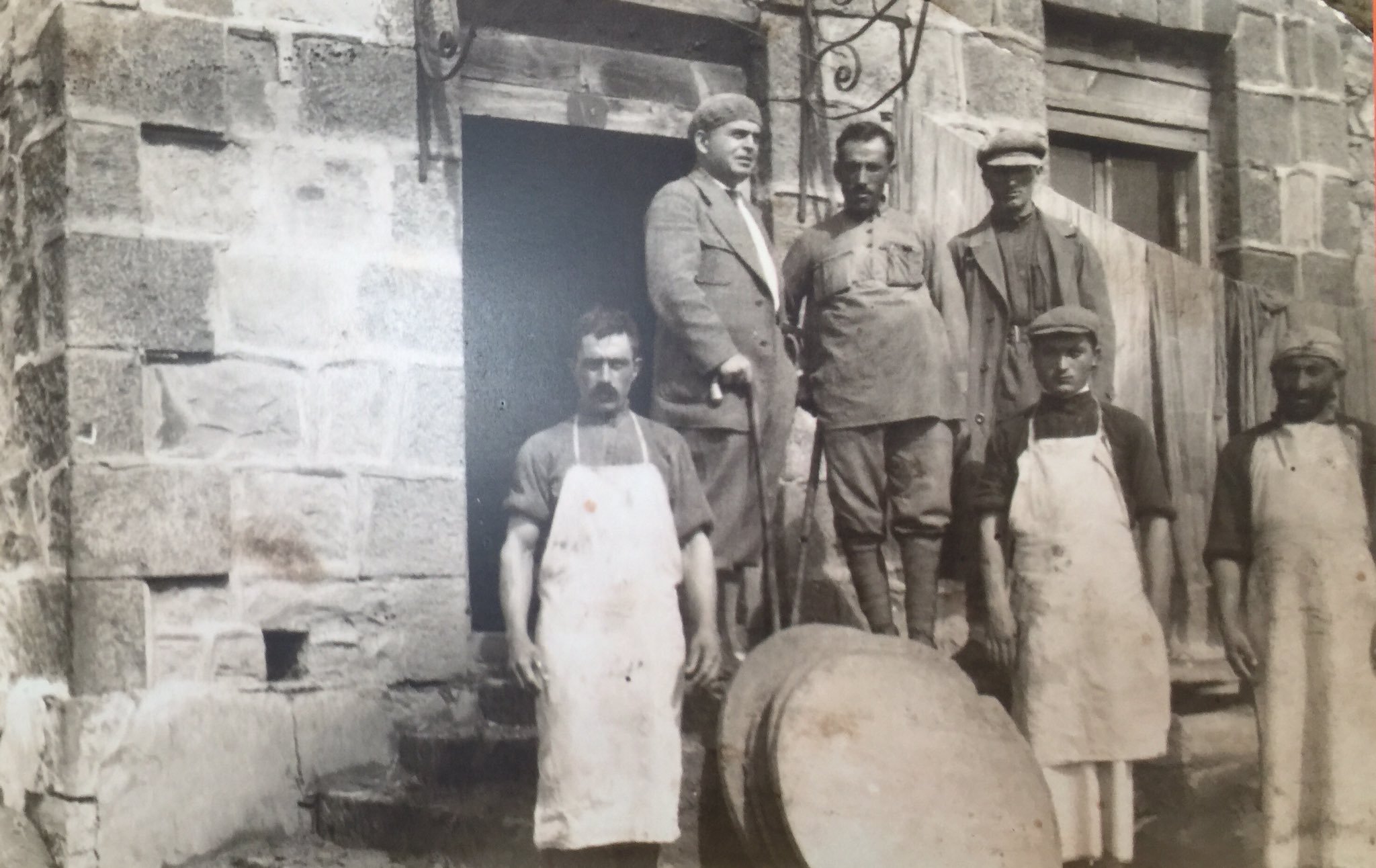
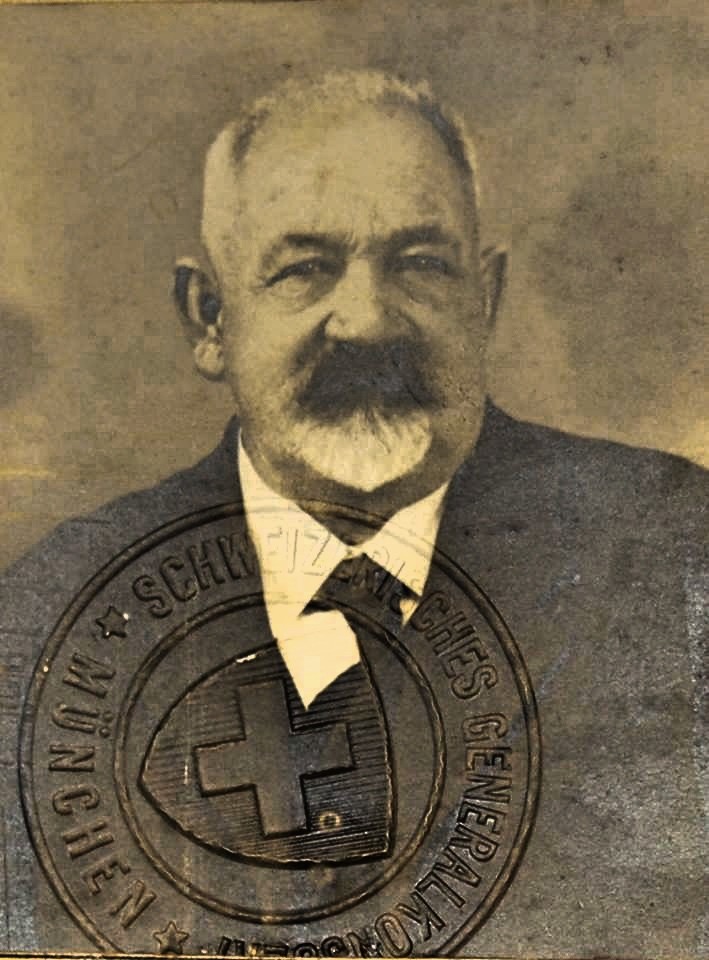
A pioneer of this initiative, Swiss cheesemaker David Moser, noticed the high-quality milk production during a visit to the region in 1900 and established a dairy here. Subsequently, local producers came together to form a cooperative with 16 partners. With increased production capacity, new dairies opened in the village. Thus, the settlement came to be known as Zavot, the Russian word for "factory."

During this period, not only cheese production but also cattle breeding gained importance. Malakan communities, who arrived with the Swiss masters, crossbred high-yield Simmental and Montbéliarde cattle with local species, developing a new lineage known as the Zavot breed. With their high-fat milk, Zavot cows provided exceptional quality for gravyer and kaşar production. This native breed adapted to Boğatepe's geography and formed the basis of the village's economic identity.

After the 1917 Revolution, the Swiss masters left the region, but their knowledge was preserved by the local people and transformed into a new production approach. After Kars joined the Republic of Turkey in 1920, the Terekeme (Karapapak) Turks who settled in the village took over the cheesemaking tradition and strengthened the cooperative structure. With new workshops established during the Republican era, production was revived, and the village became a regional milk processing center.

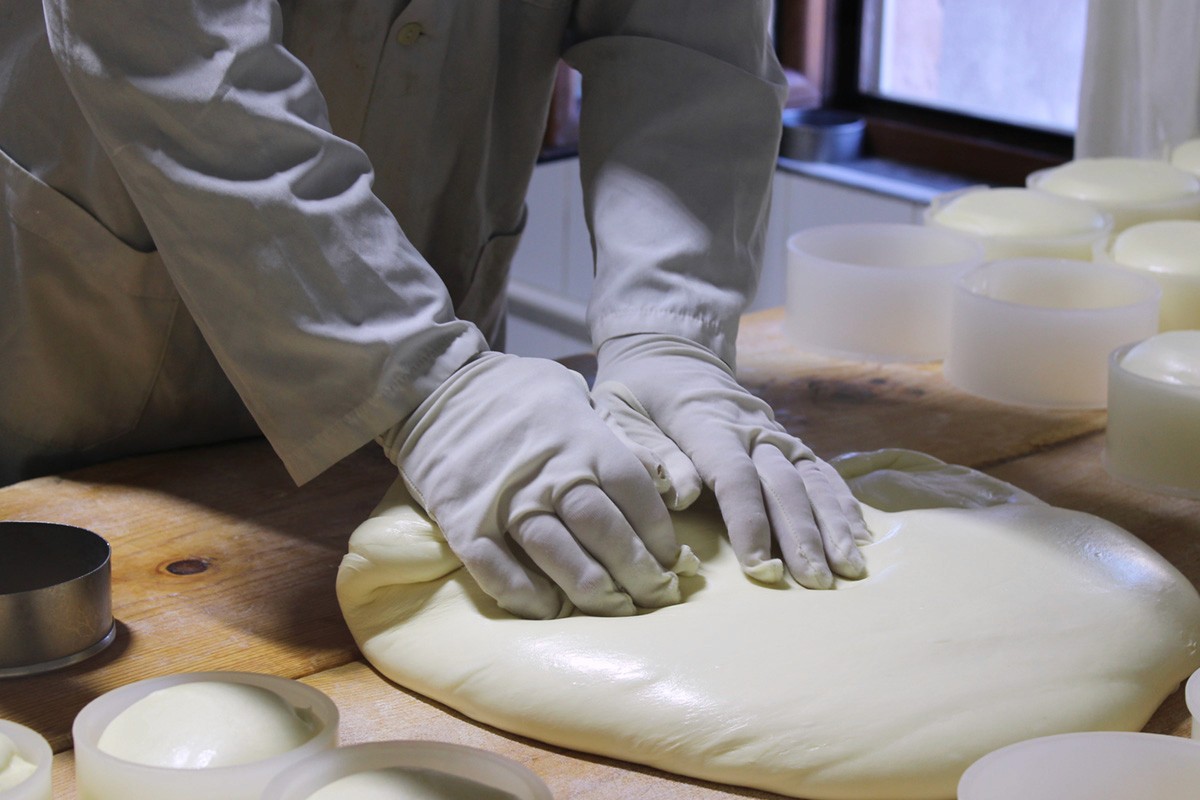
Today, Boğatepe Gravyer cheese is registered by the Slow Food Presidium program and is recognized worldwide for both its unique taste and sustainable production methods. Additionally, the geographically indicated Kars Kaşar cheese and various other traditional cheese types are still produced from the milk of Zavot cows.
Visit our Publications page for more information on Boğatepe's cheese heritage.

Visit our Publications page for more information on Boğatepe's cheese heritage.

Visit our Publications page for more information on Boğatepe's cheese heritage.

PUBLICATIONS

PUBLICATIONS

Ecomuseum Zavot

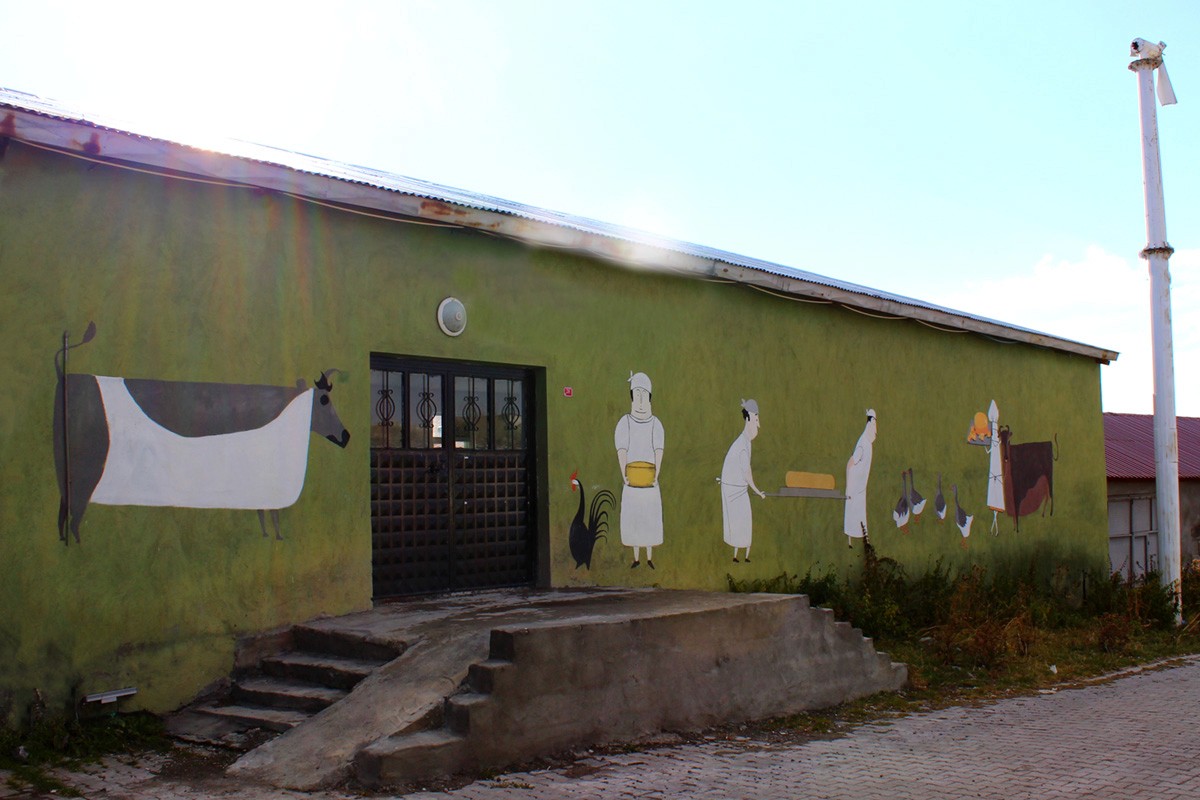
Ecomuseum Zavot, Turkey's first cheese museum, is the story of a symbolic structure rising from its ashes, reflecting the history of Boğatepe. This building, one of the first dairies built in the 1880s by the Swiss David Moser who brought cheesemaking to the region, was the village's production hub. After being left vacant for a time following the end of the Tsarist Russian period, it was reactivated in the 1920s by the Terekeme families who settled in the village and took over Gruyére production.

Serving as the village's communal dairy until the late 1970s, this historic structure was later abandoned and fell into decay. In fact, a portion of its upper floor collapsed, and its lower floor began to be used as a kind of "animal prison" where animals that disrupted village order were confined.

Ecomuseum Zavot, Turkey's first cheese museum, is the story of a symbolic structure rising from its ashes, reflecting the history of Boğatepe. This building, one of the first dairies built in the 1880s by the Swiss David Moser who brought cheesemaking to the region, was the village's production hub. After being left vacant for a time following the end of the Tsarist Russian period, it was reactivated in the 1920s by the Terekeme families who settled in the village and took over Gruyére production.

Serving as the village's communal dairy until the late 1970s, this historic structure was later abandoned and fell into decay. In fact, a portion of its upper floor collapsed, and its lower floor began to be used as a kind of "animal prison" where animals that disrupted village order were confined.

The 2000s marked a turning point for this historic heritage. The Boğatepe Environment and Life Association, led by İlhan Koçulu and with the support of the United Nations Development Programme (UNDP), took action to save the building. Through an extensive restoration project, the structure was renovated in line with its original form. In 2009, its lower floor reopened as "Ecomuseum Zavot," exhibiting the history of cheesemaking, while its upper floor became a multi-purpose center hosting social and cultural events.
What is an Ecomuseum?

What is an Ecomuseum?

What is an Ecomuseum?

What is an Ecomuseum?

An ecomuseum is a dynamic, community-based type of museum created for local communities to preserve, interpret, develop, and manage their cultural and natural heritage. The first ecomuseum was established in 1891 in the Skansen region of Sweden as an open-air museum to introduce the traditional rural life of Scandinavia. This first example in history pioneered the emergence of an alternative museology approach worldwide.

An ecomuseum is a dynamic, community-based type of museum created for local communities to preserve, interpret, develop, and manage their cultural and natural heritage. The first ecomuseum was established in 1891 in the Skansen region of Sweden as an open-air museum to introduce the traditional rural life of Scandinavia. This first example in history pioneered the emergence of an alternative museology approach worldwide.

This new approach, which gained momentum in France in the 1970s with an emphasis on sustainability, has led to the creation of over five hundred ecomuseums in many countries today. Classic museums are enclosed, static spaces where selected artifacts and collections are displayed. Ecomuseums, in contrast, are open and living geographical areas that encompass an entire village or town. In these areas, the aim is to promote, sustain, and ensure community ownership of natural and cultural heritage. Visitors are not merely observers but active participants who engage in cultural practices, learn, and take on responsibility.

The primary goal of ecomuseums is to preserve cultural heritage, promote it for future generations, and create sustainable socio-economic opportunities at the local level. These museums contribute to local development through functions such as supporting village life, strengthening cultural identity, and reducing rural-to-urban migration. Examples worldwide show that ecomuseum practices are making rural life attractive again; in some regions, they have even enabled a reverse migration from cities to villages.

Two significant examples representing ecomuseology in Turkey are the Ecomuseum of Boğatepe Village in Kars and the Ecomuseum of Hüsamettindere Village in Bolu. With its rich historical, cultural, and natural heritage, Turkey has the potential to host hundreds of ecomuseum projects. However, awareness and conceptual depth regarding ecomuseology have not yet reached the desired level. A broader understanding of the ecomuseum concept and an increase in concrete projects in this field will pave the way for sustainable rural development and the protection of cultural heritage in our country.