About Us
Once echoing with the voices of children, the walls of Boğatepe now preserve its educational legacy. Zavot KÖK respectfully safeguards the memories of the past while bringing together the energy of today and the dreams of tomorrow under this roof.
Below, you can find the story of this building and Zavot KÖK.
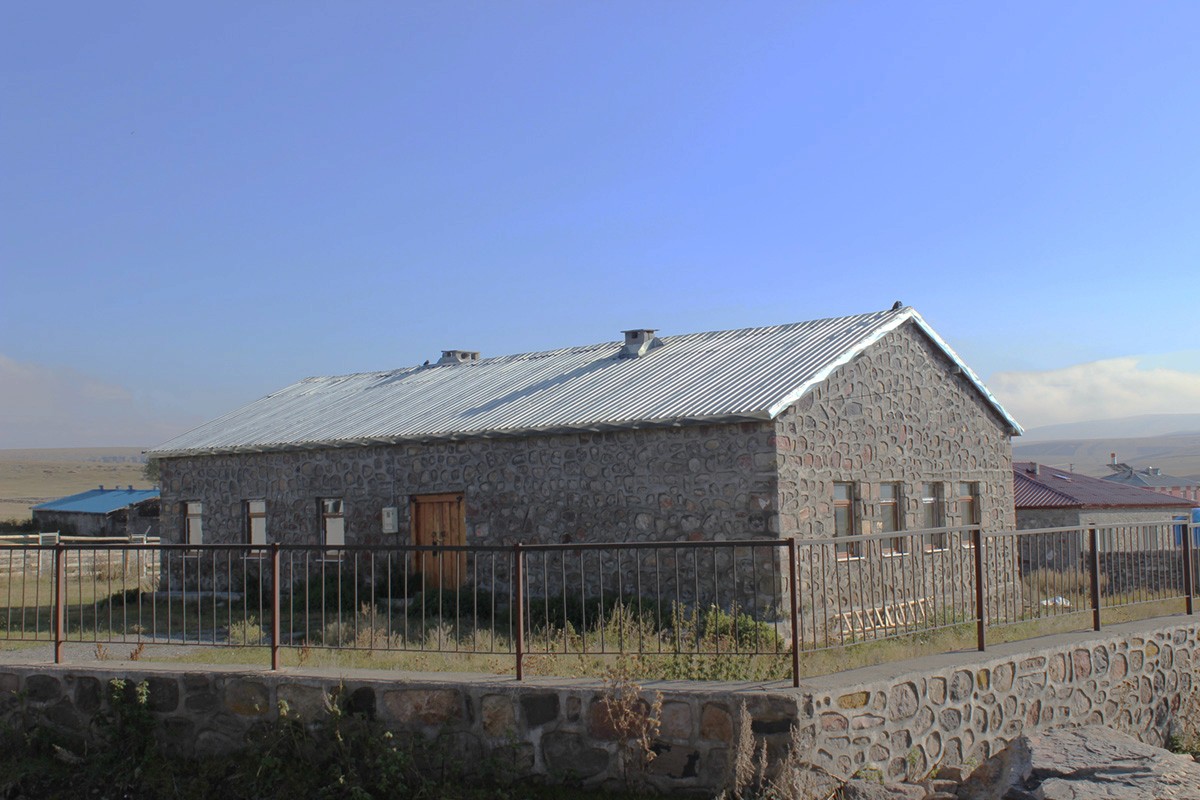
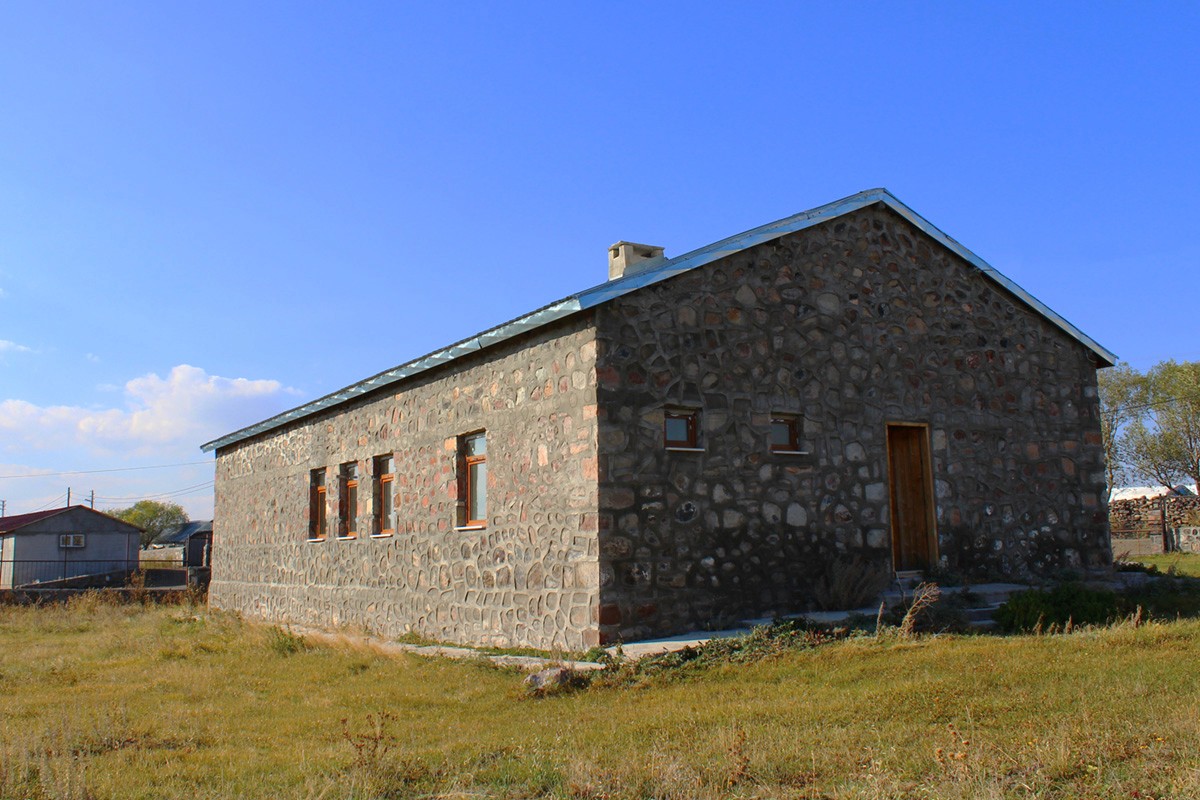
The Zavot Village Teacher Culture and Art Center, is a rural memory and learning hub realized through the restoration of our old village school building, which served as an elementary school between 1961 and 1996.
The idea of transforming this place into a living museum arose from the desire of the villagers as well as the teachers and students, who had worked in the village or studied here and then migrated from the village, to preserve the social memory by keeping the village's educational history alive and passing it on to future generations. This idea came to life in 2020 through the efforts of a group formed by İlhan Koçulu, Samettin Nesipoğlu, Emine Oruçoğlu, Galip Ömür, and Muzaffer Zavotçu. Thanks to the generosity of villagers, led by Koçulu Mandıra, and the hard work of volunteers, the old school building was renovated. Asiye Cengiz undertook the architectural transformation of the building, while Müge Özlem Tuzcuoğlu designed its visual identity. Dr. Fatih Tatari and Dr. Kübra Zeynep Sarıaslan were responsible for the research, archiving, and curatorial processes.
The History of our Building
The history of education in the village begins with the old school building in Küçük Boğatepe, which is still remembered today. At the end of the 19th century and the beginning of the 20th century, under the rule of Tsarist Russia, different communities settled in Kars and its surroundings and tried to establish their own schools.
Records from those years show that education was a highly debated topic. For example, in the 1907 issue of the Kafkas Postası (Die Kaukasische Post) newspaper, editor Kurt von Kutschenbach criticized the German community in Kars for being indifferent to education compared to other communities. We can consider the school in Küçük Boğatepe as part of the educational campaign of that period.
Witnesses describe this building, which was used as a residence before being converted into a school, as having been left behind by the Molokans or Russians. Animals were kept in the basement of the school, while students were taught in the classrooms upstairs. The building, where courses in sewing and carpet weaving were also offered to women, included lodgings for teachers who came to the village from outside. Thus, the school served as a multipurpose center where children got education and villagers got vocational training. Although it was demolished in the 1980s and replaced by a smaller school, the memory of this old building lives on in the villagers' minds.
Before our center's current building was built, there was no permanent school in Büyük Boğatepe. Due to harsh winter conditions, children had difficulty attending the school in Küçük Boğatepe. The villagers, who valued education, converted their own homes into temporary schools to solve this problem. Initially, classes in Büyük Boğatepe were held in different houses. First, Ali Hacıoğlu's house, then İsmet Koçulu's house, which belonged to the Malakan community, and later Hacı Aydar's small two-room house were used as schools. Teachers and substitute teachers worked in these houses, where five classes were taught together.
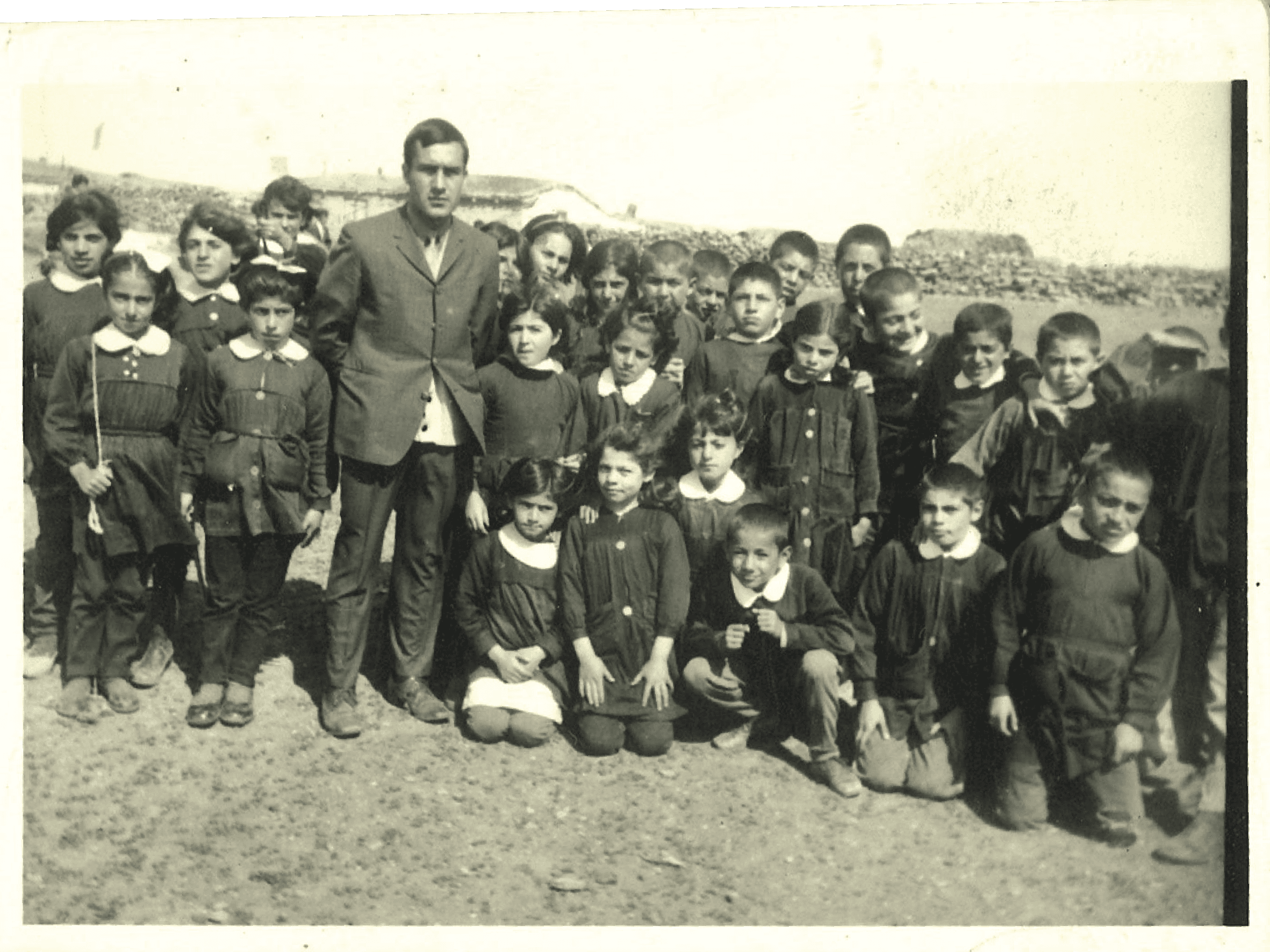
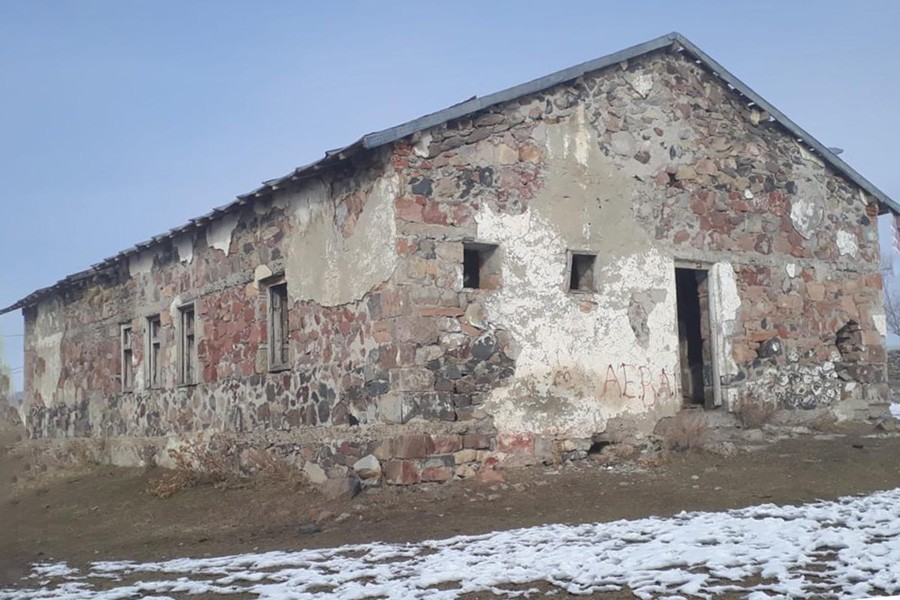
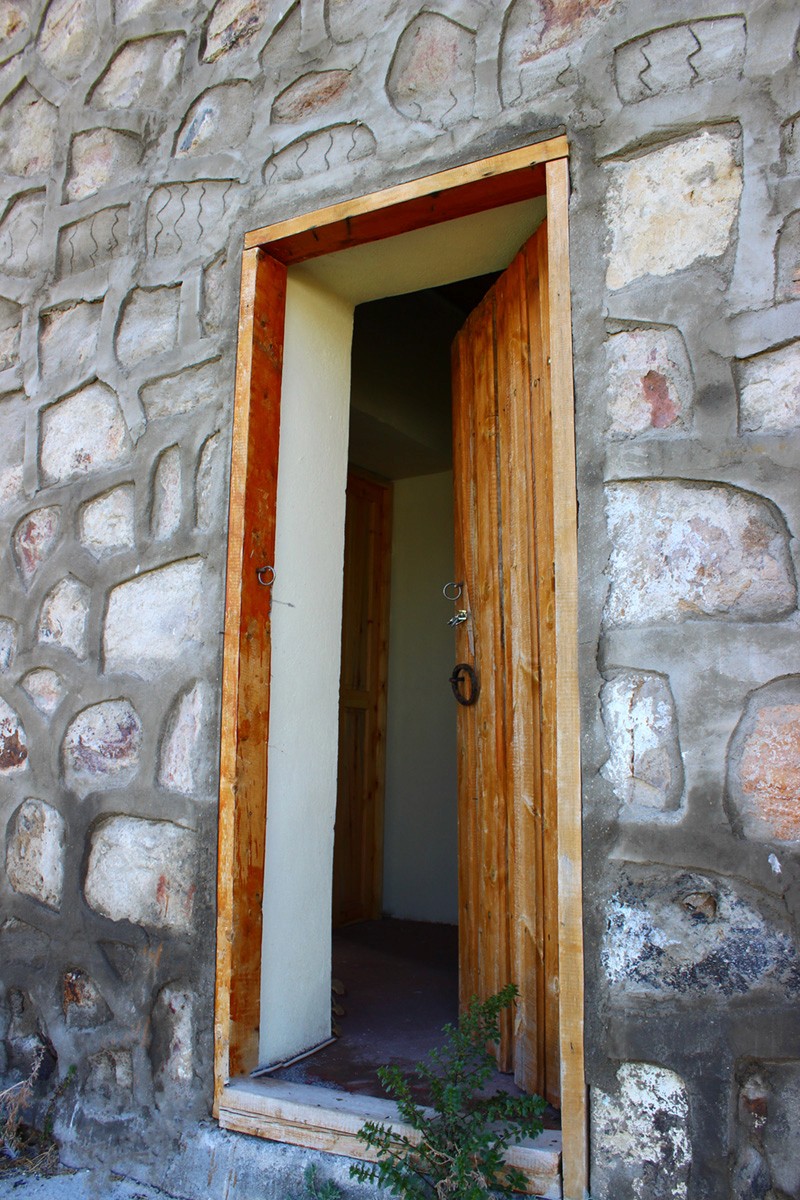
However, the implementation of the plans depended on the labor and determination of the people living in villages like Boğatepe. Since there were no other craftsmen in the village at the time, the foundation of the Zavot KÖK building was laid by Mansur Usta, the village's famous gravy maker, and his children. The walls were built of stone, and the roof was covered with planks by the village youth. Although repairs were made to the roof over time, the stone walls remained solid. Teachers working in those years stayed in a small two-room lodging located in one corner of the building. This approximately 40-square-meter space consisted of a small kitchen, a bedroom, and a living room with large windows, and a concrete tub separated by a curtain served as a bathroom. This small lodging sometimes served as a home for multiple families and sometimes was shared with single teachers who came to the village from afar.
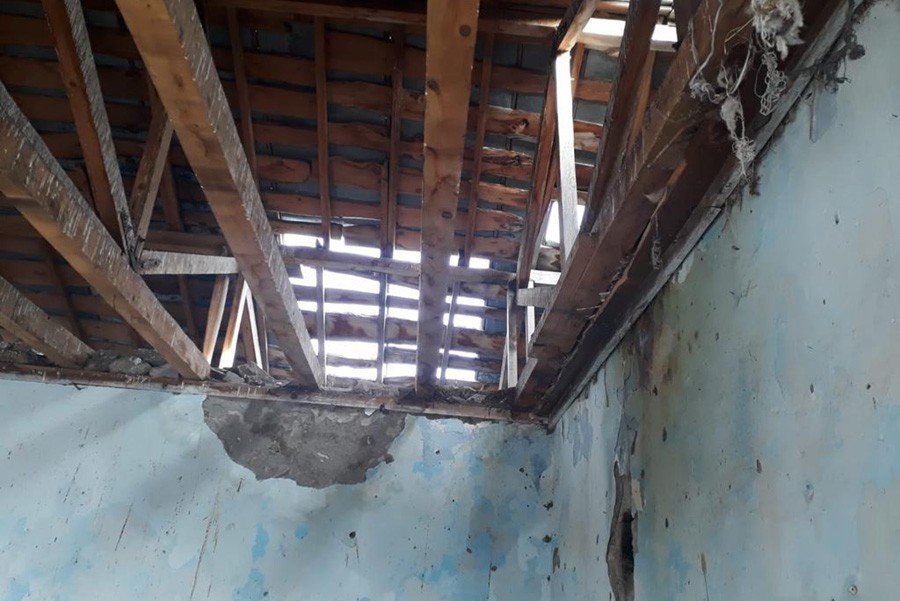
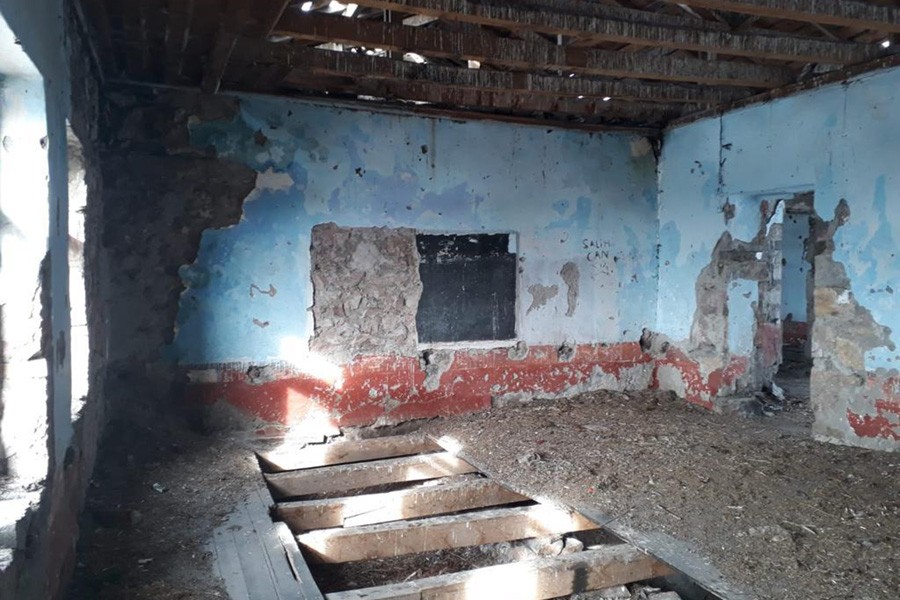
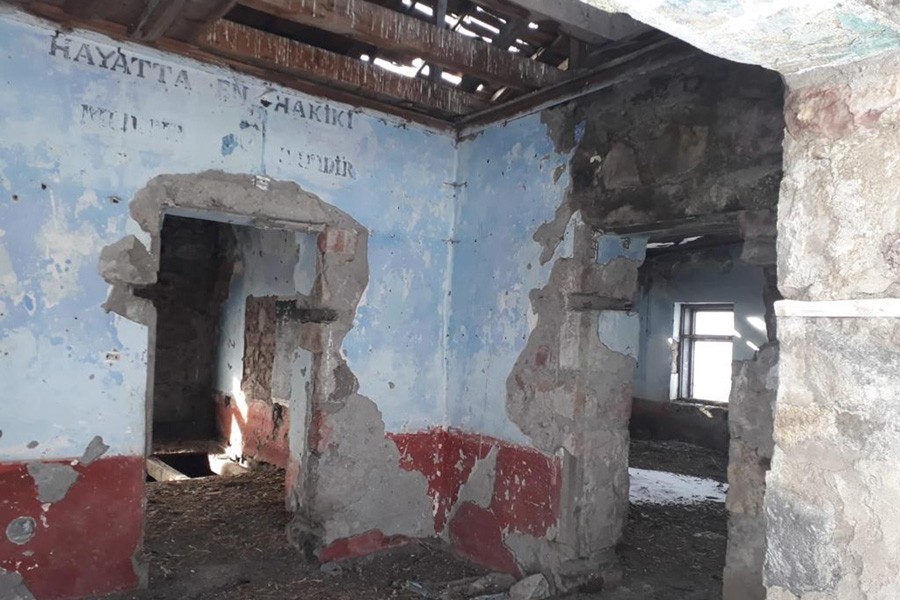
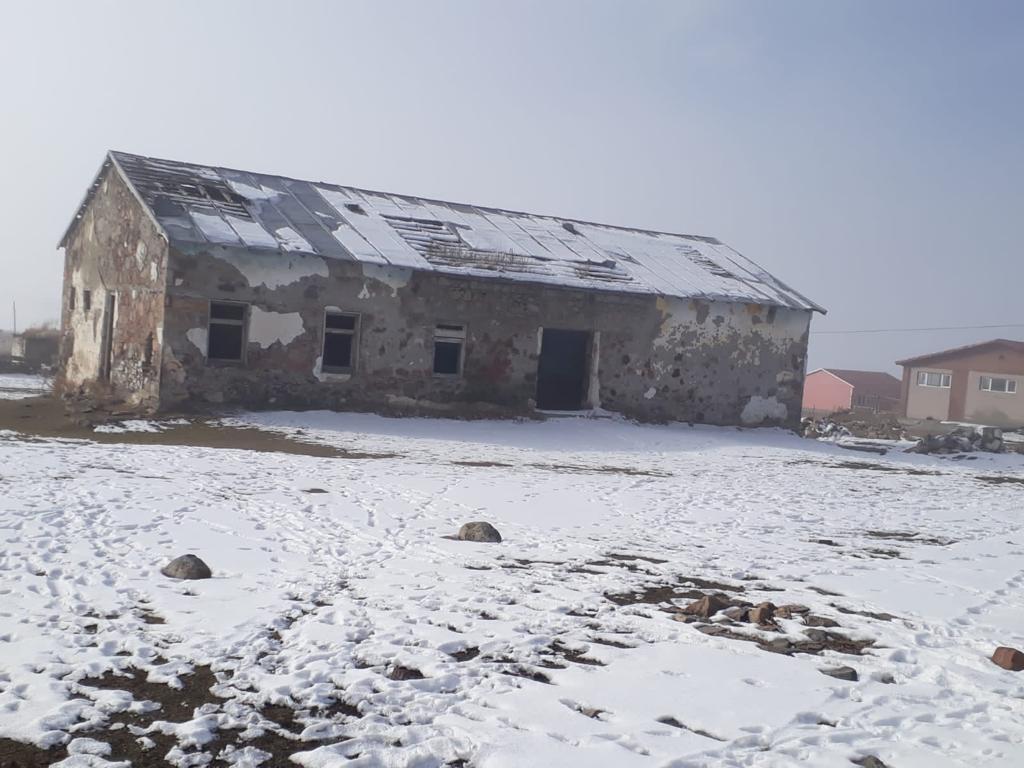
With the introduction of a transportation education system based on students living in remote or sparsely populated villages attending central schools on a daily basis, the stone school in Boğatepe was closed. Left empty after the 1994–1995 school year and gradually falling into ruin, the building was brought back to life through Zavot KÖK. Today, it serves as a museum, cultural center, and learning space that brings the past together with the future.
Stone building prior to restoration efforts