From the Pyrenees to Kars: The Milk Route
As part of the “Transhumances: InterRegional Education in AgroSilvoPastoralism” project, supported by the European Union under the Erasmus+ program, we organized an international gathering aimed at empowering traditional cheese producers through solidarity and collective wisdom.
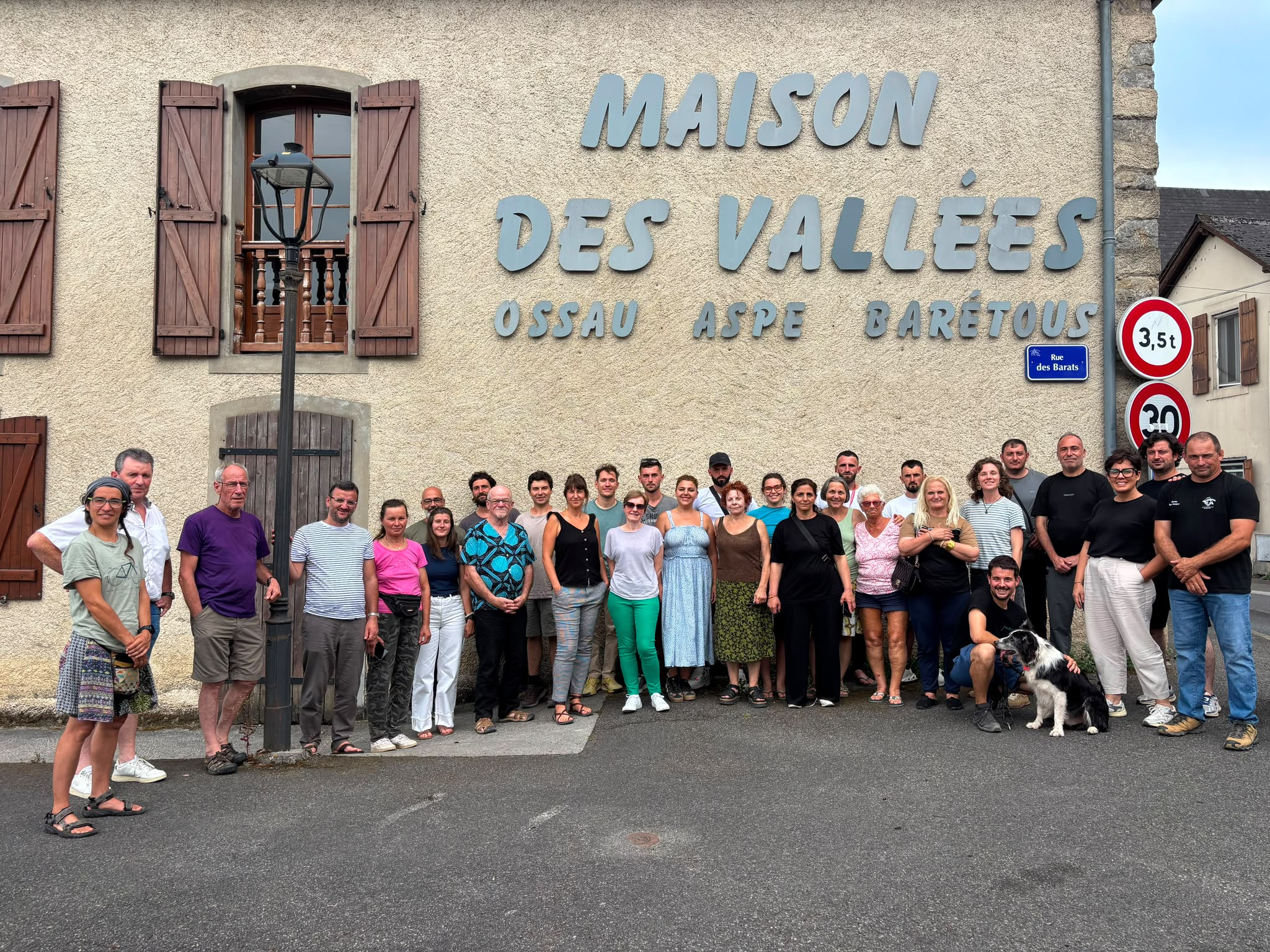
Held July 15–20, 2026, in the Béarn region of France (Pyrenees), this gathering—titled “Transhumance: New Milky Ways”—was attended by four local cheese producers from Turkey representing the project partner, the Boğatepe Environment and Life Association.
Kars Producers in the Béarn Highlands: Knowledge and Experience Sharing
At the gathering, which was attended by dozens of shepherds and artisanal cheese producers from countries such as Albania, Spain, France, Italy, Romania, Switzerland, and Georgia, the Kars delegation showcased their ancient cheese-making traditions on the international stage.
Throughout the intensive 5-day program, the participants:
- Visited mountain dairies and highland production facilities in the Pyrenees, examining local cheese-making techniques, traditional fermentation methods, and dairy architecture firsthand, and shared their own experiences.
- participated in workshops on hygiene standards and compliance with EU regulations in small-scale and traditional cheese production, sharing their proposed solutions;
- took part in the international traditional cheese competition and tasting events held in the village of Lées-Athas, showcasing Anatolia’s rich dairy culture.
The event held particular significance as 2026 has been declared the “International Year of Pastures and Pastoralists” by the United Nations; highlighting the need to support small-scale producers and pasture- and forest-based livestock farming.
Olivier Maurin, Secretary of the Béarn Farmers and Shepherds Association and one of the event’s hosts, said:
"To demonstrate that ‘agro-pastoralism’ (the combined practice of crop production and livestock farming) is the most effective path to food self-sufficiency, we must mobilize the public, food enthusiasts, and government officials on a large scale. This is not merely a matter of production; it is a struggle to preserve culinary culture, local employment, and biodiversity. The future of pastoralism depends on the political decisions we make today."
Flore Binggeli, a Swiss farmer and representative of the Urgenci network, noted that local solidarity partnerships and short supply chains are the key elements that sustain family farming rooted in communities.
An International Education Network Is Being Established!
In this Erasmus+ project, which we will carry out between 2025 and 2028, we aim to establish a lasting international support and education network among dairy farmers engaged in pasture-based livestock farming and local, traditional cheesemakers who rely on this production.
The Boğatepe Environment and Life Association’s presence in this network: strengthens the international representation of geographically indicated products such as Kars Kaşarı and Boğatepe Gravyeri; supports the continuation of Anatolia’s traditional cheese-making by making this craft visible in international networks; and contributes to the inclusion of Anatolia’s pasture/forest livestock farming, transhumance, and nomadic pastoralism cultures in the global literature within the context of biodiversity and food sovereignty.